Boiler pilot light keeps going out in New Hampshire
A pilot light that won't stay lit usually comes down to a worn thermocouple, the small sensor that proves to the gas valve that a flame is burning. Once it weakens, the valve shuts the gas off as a safety measure, even though the flame was fine seconds before. A draft near the burner compartment can also blow the flame out, and so can a dirty pilot orifice that is not feeding it enough gas to stay stable. If your boiler runs on oil, this isn't a pilot at all but an ignition or nozzle problem, worth mentioning since most New Hampshire homes heat with oil. Either way, a pilot or ignition fault left alone tends to repeat on the next cold night, and with a boiler that is your heat for the winter, not just hot water.
Why the valve shuts off
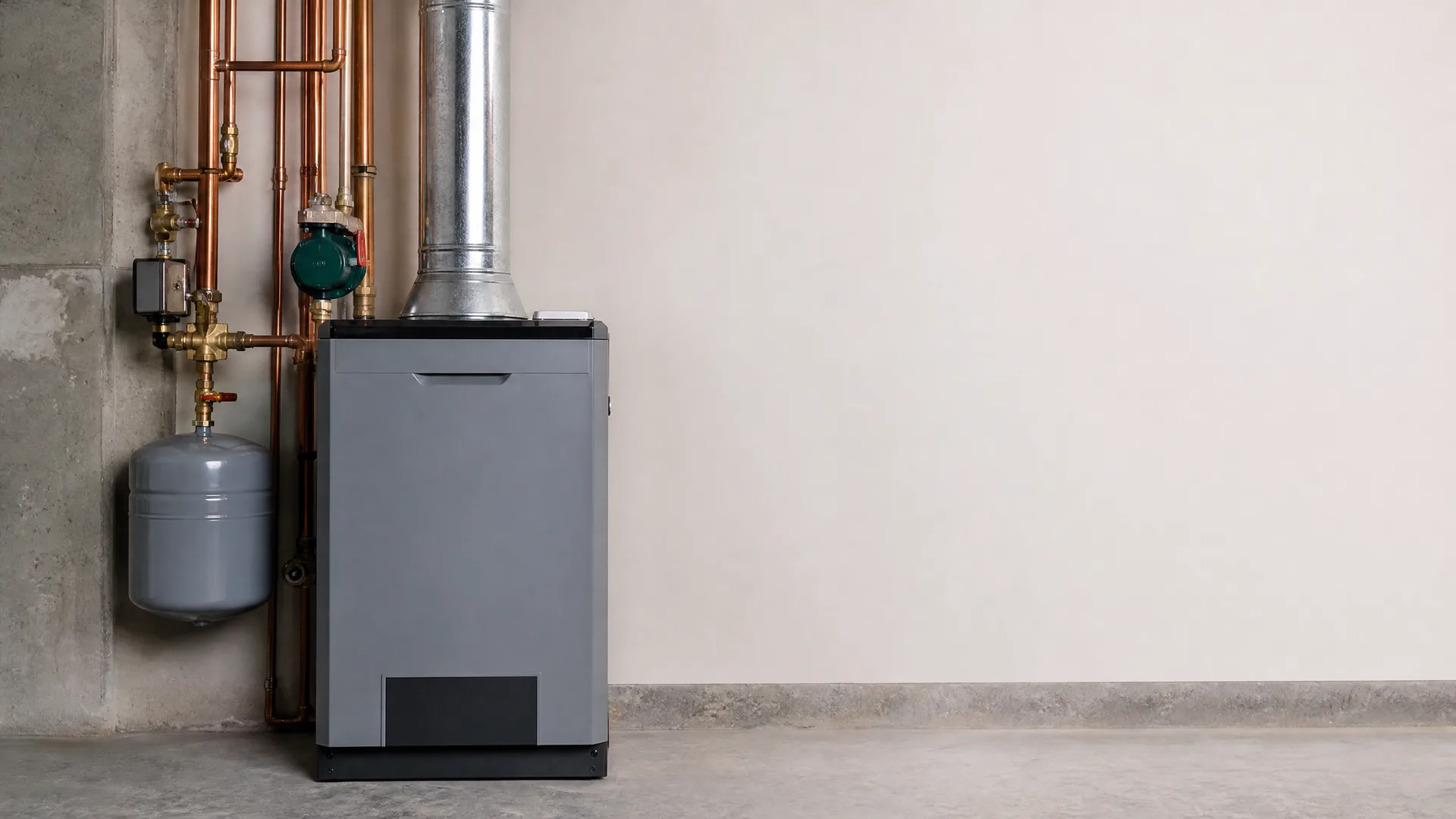
The thermocouple sits right in the pilot flame. Heat from the flame keeps it sending a small electrical signal to the gas valve, telling it the pilot is lit. When the tip corrodes or shifts out of the flame even slightly, that signal drops and the valve cuts the gas, whether or not the flame is actually still burning. That's why relighting it sometimes holds for a day and sometimes fails within the hour.
A draft problem reads the same
Oil boilers draw combustion air from somewhere, and if a vent pipe is loose or a basement window gets cracked open in October, a draft can blow the pilot out the same way a worn thermocouple does. A contractor checking yours will test the thermocouple's output with a meter before replacing anything, since swapping the part won't help if the real issue is airflow around the burner.
Why does your pilot light keep going out
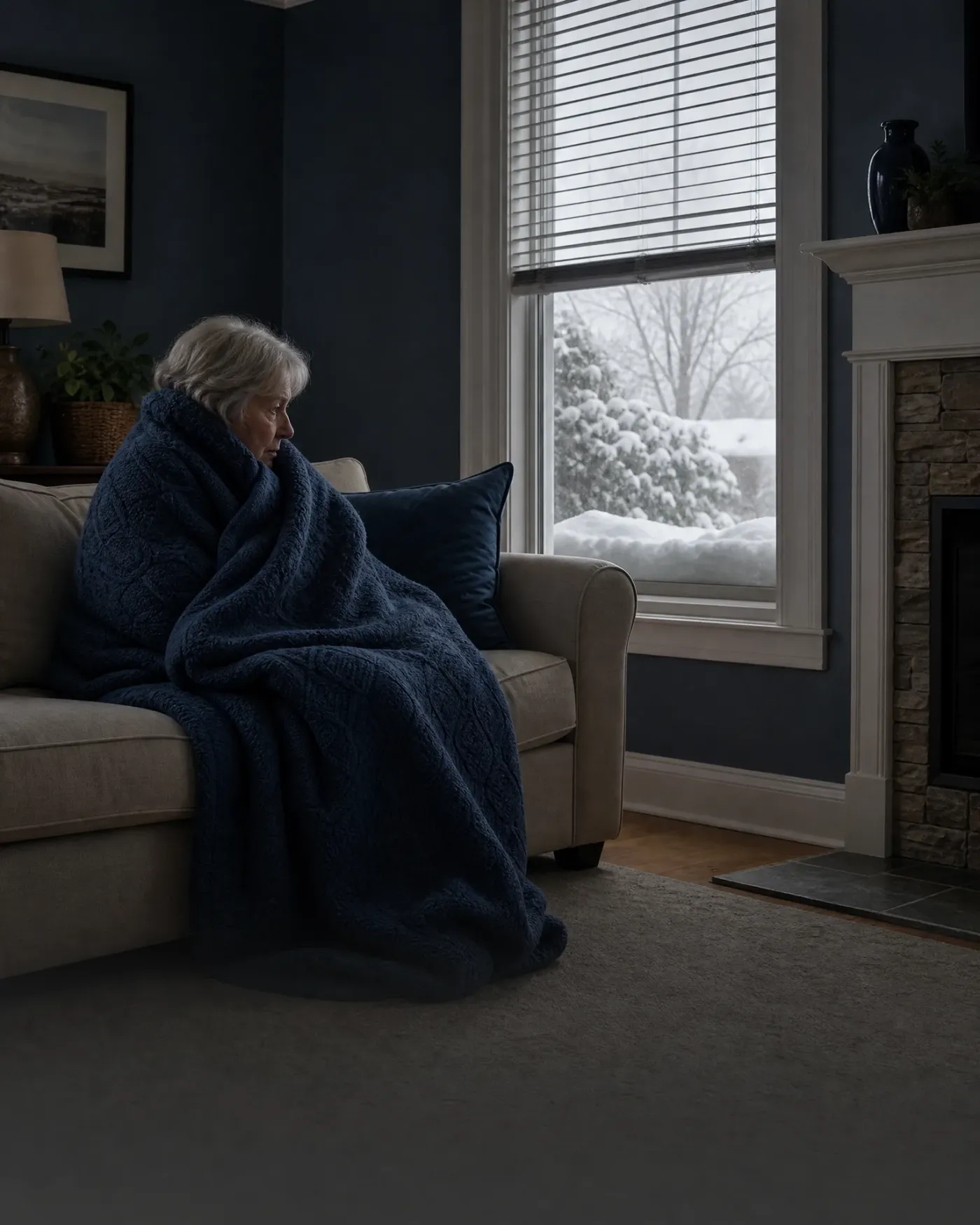
You've probably relit it two or three times already, maybe more, and it holds for a day before going dark again. If it goes out overnight, you'll notice the house running cold by morning, especially with an oil-fired system that depends on that pilot to call for heat at all. A weak flame sometimes burns yellow or ragged instead of a steady blue, and you might catch a faint gas smell near the burner compartment right after relighting it. Left alone through a cold stretch, a boiler that won't hold a pilot just stops heating the house, and with power costs what they are here, running space heaters to cover the gap adds up fast.
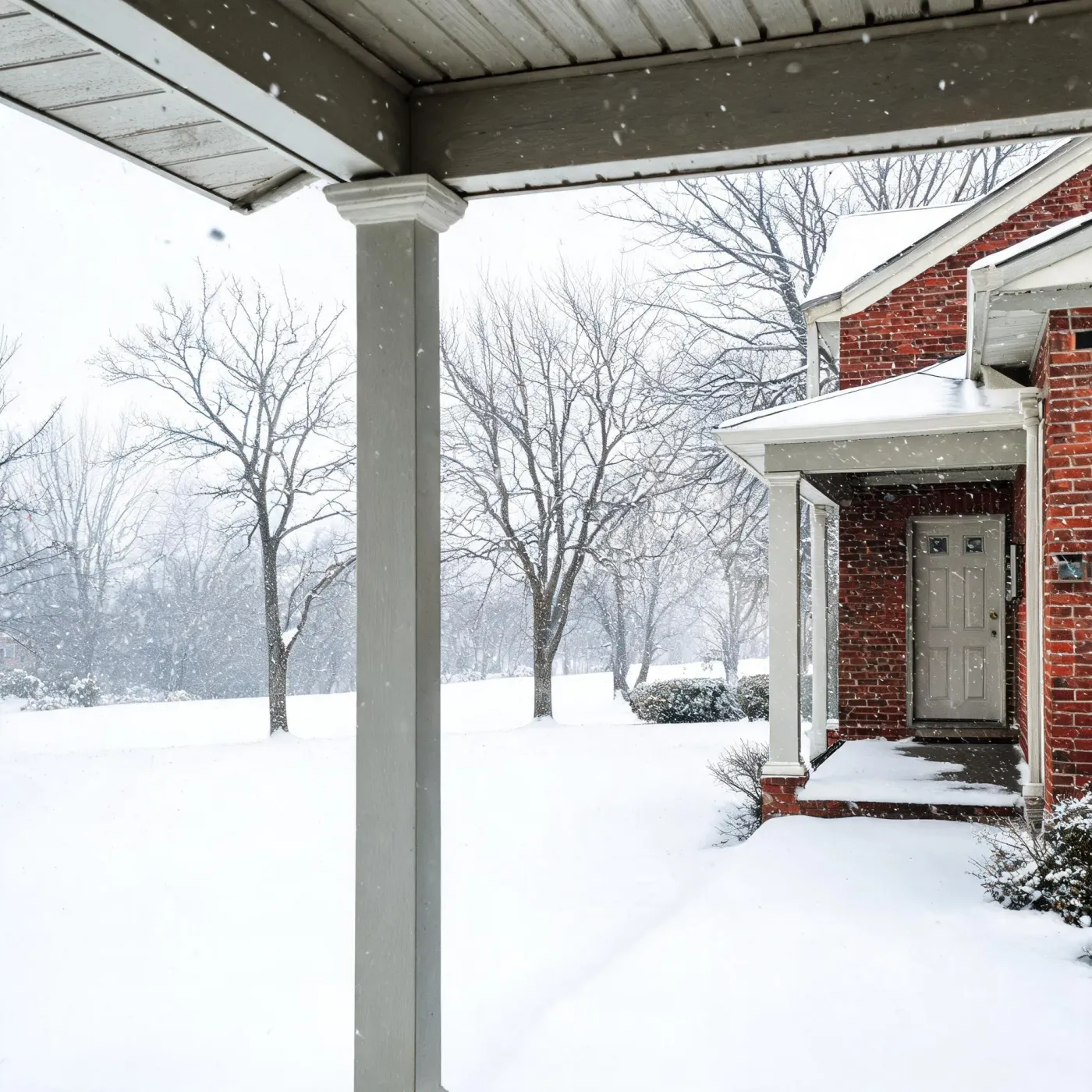
On a January night here, the temperature outside averages 15°F, according to NOAA's averages for New Hampshire. That kind of cold means your boiler is firing often and running long to keep up, and every cycle asks the pilot and thermocouple to prove themselves again. A thermocouple that's already weak tends to show it on nights like this, cutting the gas valve off right when the house needs the heat most. If yours has gone out more than once this week, that's the cold finding the weak part, not bad luck. A tech who works on boilers in this state through every one of these cold nights has seen which thermocouples fail first and knows the fix without guessing. Send the request and one licensed local contractor gets it, not a handful of companies competing for the callback.
NOAA nClimDiv 1991-2020 county normals weighted by homes
Hand off the boiler problem
A thermocouple is a small part, but with oil heat and electric rates this high here, a boiler that won't hold a pilot isn't something to keep nursing along with a lighter. Every night it's out is a night the backup or the cold creeps in, and relighting it yourself only buys a few hours before the same valve shuts down again. A local contractor who works on boilers all winter has seen this exact failure plenty of times and knows what to check first, the thermocouple, its position in the flame, the connection at the valve, before anything else. Your request goes to one contractor who covers your area, not a handful competing for the job, so you're not stuck fielding calls while your house sits cold. Send it and let someone who does this for a living take it from here.
A Worn Part, Not a Failing Boiler
- A thermocouple that won't hold a flame is a worn part, not a sign the boiler itself is failing.
- Replacing it stops the relighting and resets the valve to read the pilot correctly again.
- A local contractor who services boilers all winter has seen this exact failure more times than most parts calls.
- Sending one request means one contractor working on your boiler, not a handful of callbacks to sort through.
- With oil as backup and electric rates what they are here, a held pilot is worth fixing before the next cold snap.
- Once it's replaced, the boiler holds its flame the way it did when the thermocouple was new.
A pilot that won't stay lit almost always traces back to the thermocouple. It's a small part, and a worn one doesn't mean your boiler is on its way out. It means the valve isn't getting a clear signal that the flame is there, so it shuts the gas off to be safe. Swap the thermocouple and the valve starts reading the pilot correctly again. The relighting stops.
This is a repair a local contractor sees constantly through a New Hampshire winter. Someone who services boilers all season has already worked this exact failure more times than most calls they run, because cold nights mean long burn cycles, and long burn cycles are what wear a thermocouple down. That's not a guess about your specific unit, it's just how the part fails, and it's why a tech who works on these all winter can usually spot it fast instead of guessing their way through a visit.
Sending a request through this page puts you in touch with one contractor, not a handful of companies competing for the callback. That matters more than it sounds like it should when the house is running cold and you'd rather make one call than sort through five quotes.
With oil sitting as the backup heat source and electric rates here among the highest in the country, a boiler that holds its pilot is worth having before the next hard freeze, not after the house has already gone cold overnight. Once the thermocouple is swapped, the flame holds the way it did before any of this started.
Send one request and you're done looking
The pro who reaches out is licensed in New Hampshire.
Asking costs nothing, and the choice to hire stays yours.