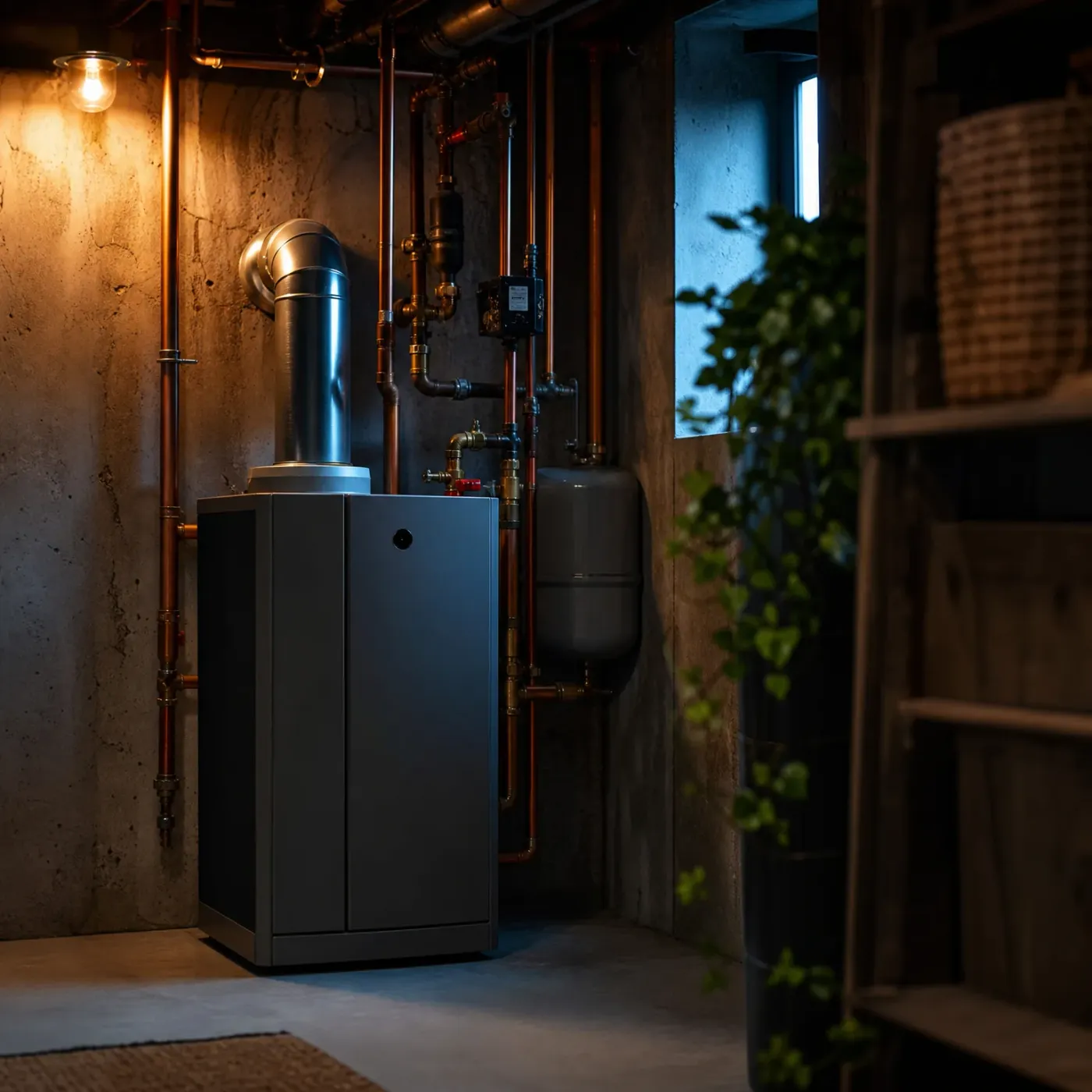
A dark grey floor-standing boiler with a metal flue stands against a concrete basement wall, surrounded by copper pipework, valves and a wall-mounted expansion tank, with ivy and a shelving unit at right.

Get your boiler to the right pro

Repair or replace an old boiler in New Hampshire

An old boiler acting up leaves you weighing a repair bill against the cost of a new one, especially with oil heat and New Hampshire power rates both hitting hard. This page walks through what decides that call. Skip the runaround of calling contractor after contractor and get matched with one who can look at your system and tell you straight.

Find my pro

A boiler past 15 or 20 years old is worth fixing for a small repair, like a circulator pump or a zone valve, but not for a cracked heat exchanger or a leaking cast iron section. Those mean the boiler itself is failing, not a part bolted to it, and once that happens the cost and hassle of chasing more repairs tends to climb fast. Most homes in New Hampshire heat with oil, and an old boiler running on oil loses efficiency as it ages, burning more fuel for the same heat. If your boiler is old enough that you're not sure it has many winters left in it, the question is less whether it can be patched one more time and more whether patching it is worth it. A boiler that's otherwise sound and just needs a part is a different situation than one where the repairs keep coming.

A gray-haired bearded man in a dark coat and scarf dusted with snow stands smiling in a dimly lit entryway with a white front door, a side table with a lit lamp, an oval mirror, and a patterned rug.
An older bearded man in a dark snow-dusted coat and gray scarf stands just inside a dimly lit home entry, with a framed picture, lit table lamp, and an adjoining room with a fireplace behind him, and snow visible through the open door.
A gray-haired, bearded man in a dark snow-dusted coat stands smiling in a dimly lit entry hall with a staircase, a lit table lamp, a framed picture, and a living room visible through a doorway.
An older man with gray hair and a beard, wearing a dark jacket dusted with snow, stands smiling in a dimly lit hallway with lamps and a living room visible behind him.

Oil fires the burner into a combustion chamber, and the heat exchanger pulls that heat into the water running through the cast iron sections. The flue carries off what's left. Those sections are stacked with gaskets between them, so a crack in one means water getting into the firebox, not something a contractor patches and moves on from. The aquastat is what tells the burner when to fire based on water temperature, and when it starts failing, the boiler either runs hotter than it should or shuts off before the house warms up. Inside, sludge and scale build up on the cast iron over the years. Once that coating is thick enough, the boiler burns more oil to push out the same amount of heat, which shows up on the bill before it shows up as a breakdown. Some problems have nothing to do with the boiler at all. The circulator pump that pushes hot water out to the radiators or baseboard can fail on its own, and so can the ignition system or fuel pump, both of which can look like a much bigger problem than they are.

How your boiler actually breaks down

  • An oil boiler fires the burner into a combustion chamber, and the heat exchanger pulls that heat into the water before the flue carries the rest outside.
  • Cast iron sections stack together with gaskets between them, so a crack in one section usually means water seeping into the firebox, not a simple patch.
  • The aquastat reads the water temperature and tells the burner when to fire, and a failing one can run the boiler too hot or shut it down early.
  • Sludge and scale build up inside the cast iron over the years, and once it coats the sections, the boiler needs more oil to push out the same heat.
  • A circulator pump moves the hot water out to the radiators or baseboard, and it can fail on its own without the boiler itself being the problem.
  • An oil-fired boiler also needs a working ignition system and fuel pump, and either one failing can look like a bigger problem than it is.
A woman wrapped in a thick beige fleece blanket sits on a sofa with an open book on her lap, beside a lit table lamp, with a frost-covered window behind her.
A gray-haired woman in a cream knit sweater stands in a dimly lit kitchen at night, looking to her right, with a round loaf of bread in the foreground and a dark window and potted plant behind her.

Signs the repair is worth it

A circulator pump that's seized, a zone valve stuck open, an aquastat reading wrong. These fail on their own schedule and don't say much about the boiler around them. Swap the part and the boiler runs like it did the day before. Most of these jobs run a few hours, not a few days, and the oil boiler itself keeps going. If the burner lights clean and the sections hold pressure, a worn part isn't a reason to replace a boiler that still has years left in it.

Signs the boiler is done

A cracked heat exchanger or a leaking cast iron section is different. Water finding its way past the gaskets between sections means the iron itself has given out, not a bolted-on part. You can patch a leak for a while, but it comes back, and it comes back worse. Soot staining around the cabinet or a boiler that short-cycles no matter what gets adjusted points the same direction. Past 15 or 20 years, that kind of failure is usually the last repair bill before a new install.

Winter nights average 15°F statewide

15°F is the average overnight low here in December, January and February. That's what your boiler is working against most nights for three months straight. A unit on its last legs struggles to keep up on those nights, running longer to hold the same temperature.

NOAA nClimDiv 1991-2020 county normals weighted by homes

Keep going with repairs and you're calling a contractor out every heating season, never sure which winter the boiler finally gives out on the coldest night.

Replace it now and you pick the timing, the contractor, and the new boiler, instead of a cracked heat exchanger picking it for you in January.

A dark cast-iron boiler with copper piping, pressure gauge, and a gray expansion tank sits on a concrete pad in a basement corner with concrete block and brick walls.
Before you get your boiler installation
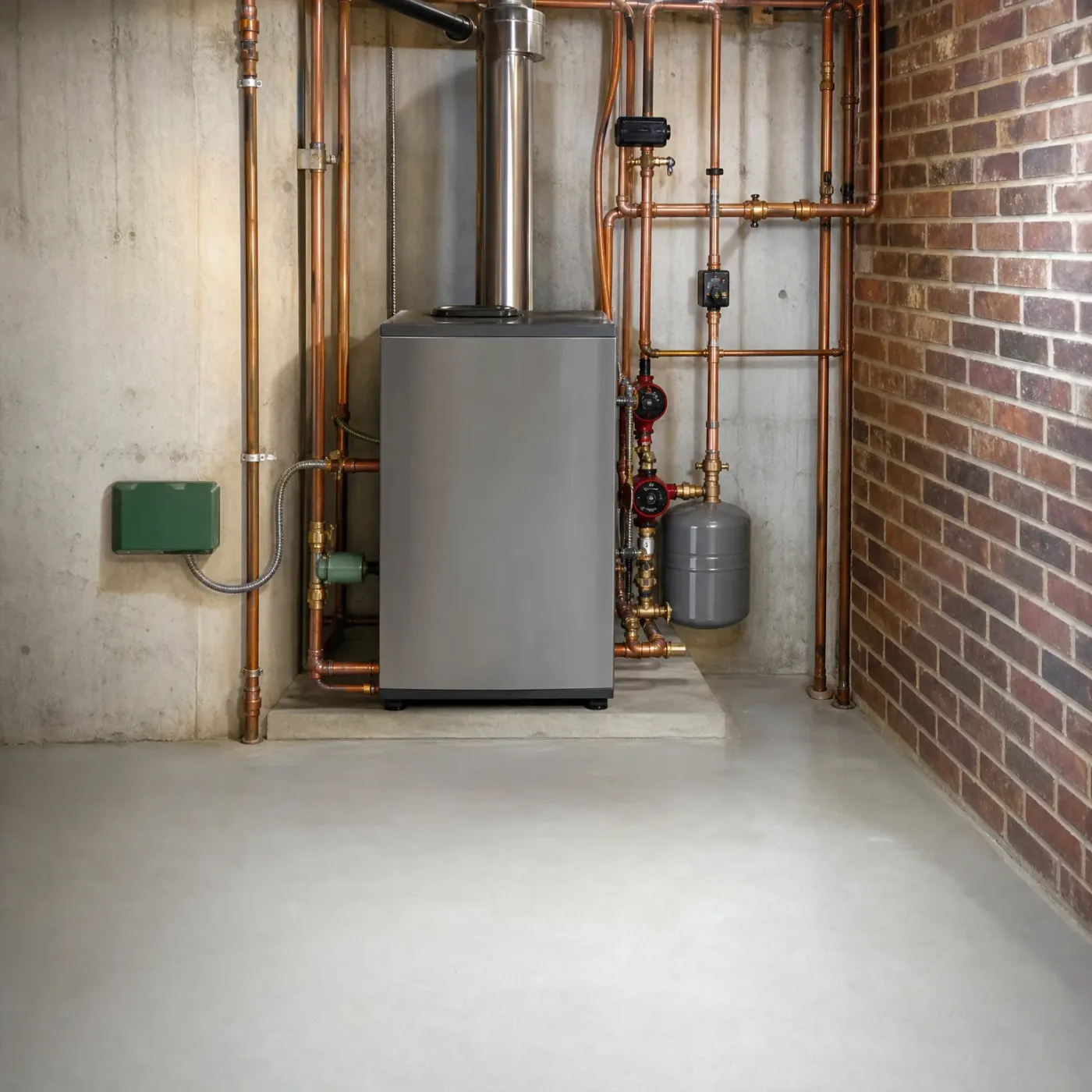
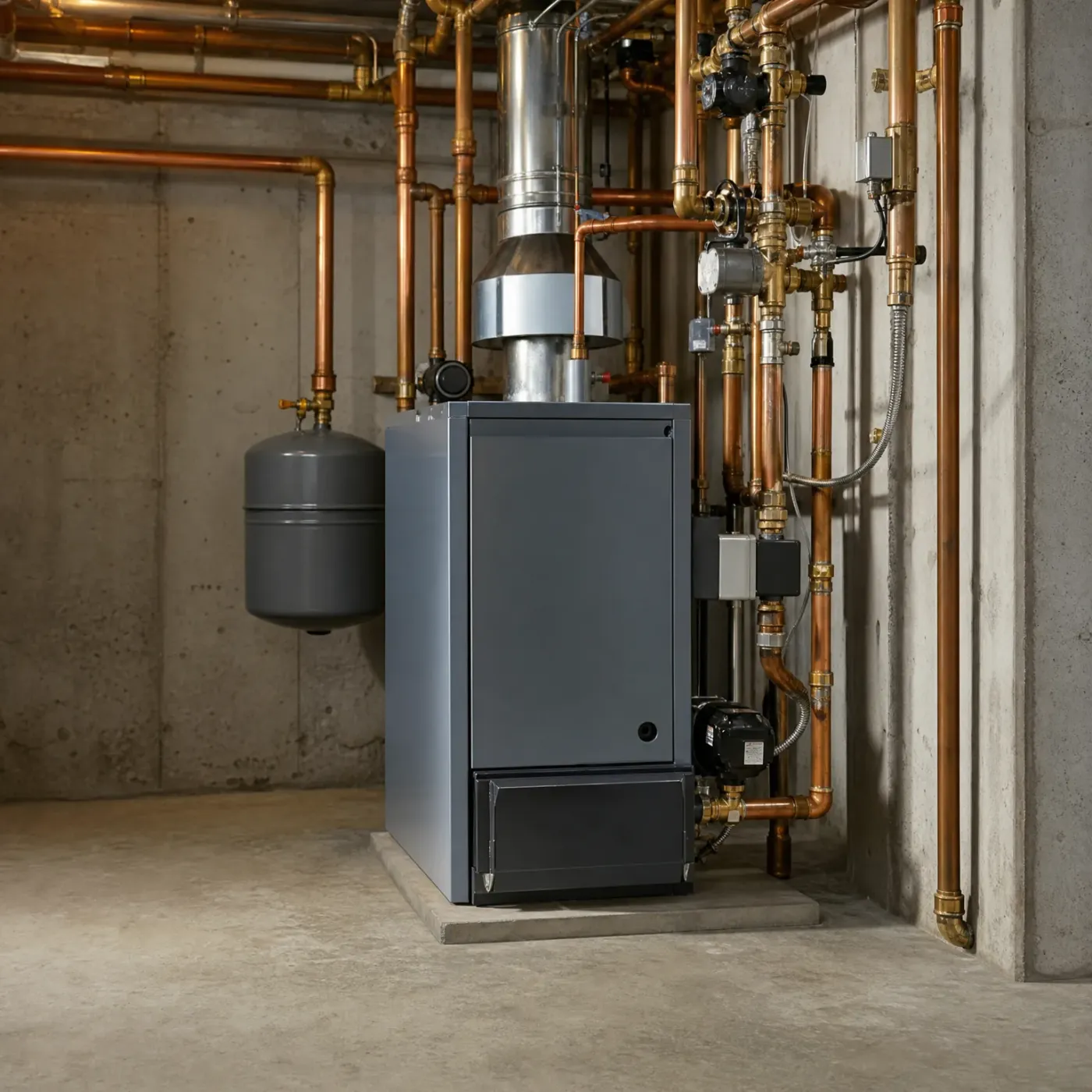
A gray boiler on a concrete pad in a basement, connected to copper piping, valves, pumps and a gray expansion tank, with a concrete wall on the left and a brick wall on the right.
After you get your boiler installation

The right pro for this job

You've read what separates a repair from a replacement. The next part is finding someone to look at your boiler and tell you which one you're facing. That usually means calling around to a handful of oil heat contractors, explaining the age of the unit and what it's doing, waiting on callbacks, then sitting with a stack of quotes trying to tell a fair price from a padded one. With oil heat and New Hampshire's power rates already working against you, you don't need to spend a week chasing estimates on top of that. Put in your information once and a contractor who installs boilers in your area gets in touch with you directly. No explaining the problem five times to five different companies. Whether your boiler needs a part or needs to come out entirely, the person who can tell you that for certain is the one who sees it in person, and this is how you get them there.

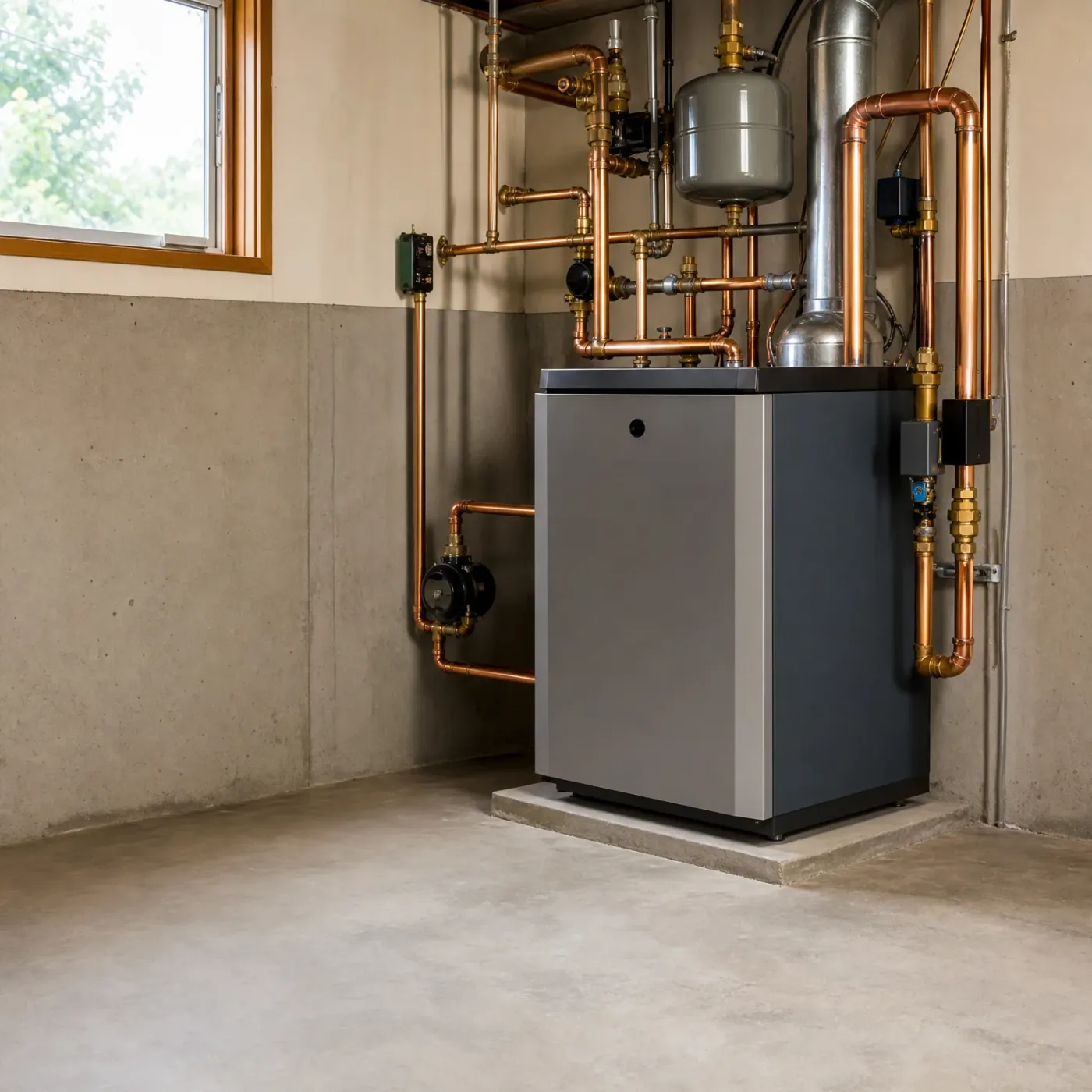
A gray floor-standing boiler on a concrete pad in a basement corner, connected to copper piping, brass valves, a circulator pump, an expansion tank, and a metal flue, with a window at upper left.
A boiler like this one still moves heat through the copper lines and keeps every zone warm without drama.
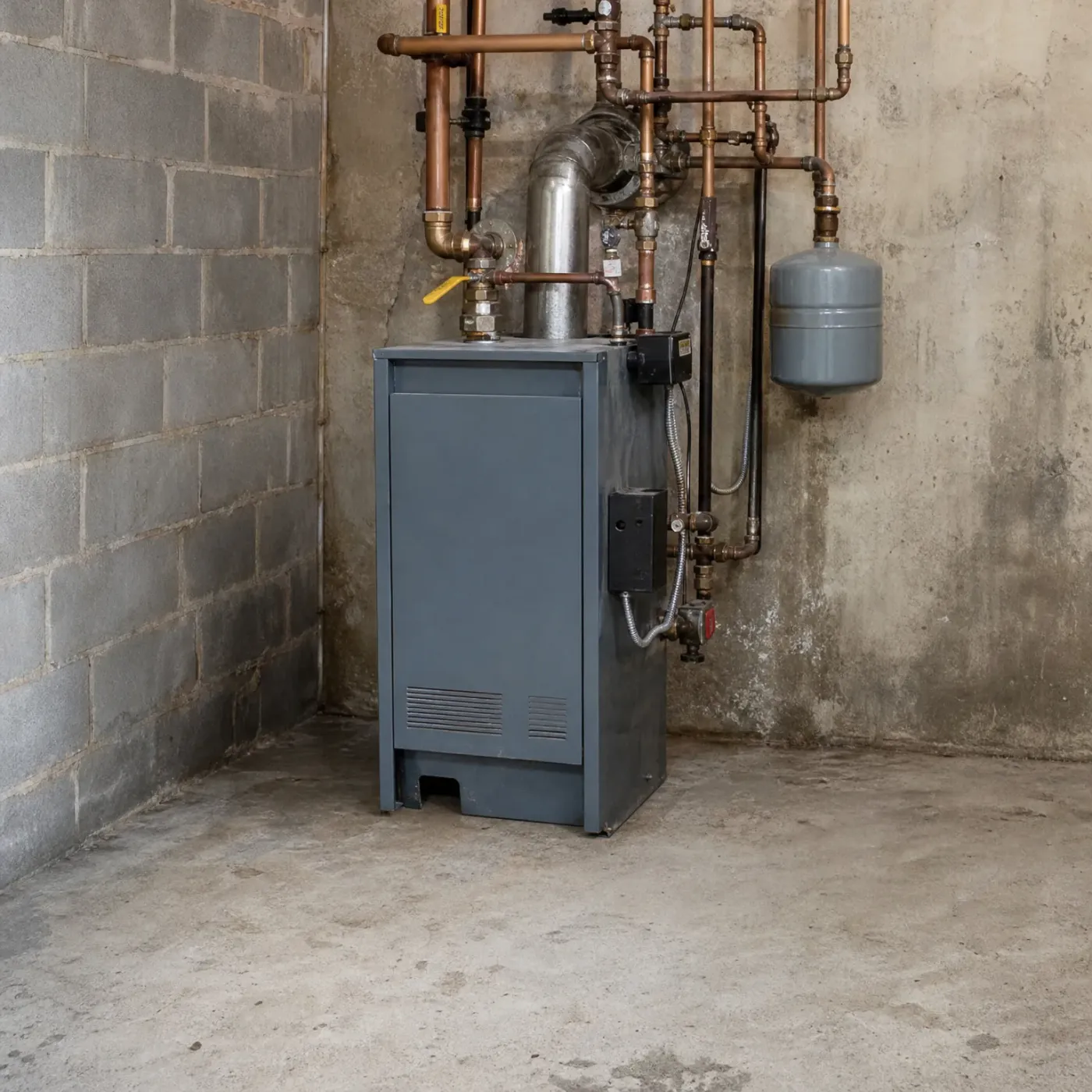
A gray floor-standing boiler in a basement corner with copper and black piping above it, a flue vent, and a gray expansion tank mounted on the concrete wall beside a concrete block wall.
A boiler crowded into a corner like this one, with no room to work, costs more to service and more to replace when the day comes.

Is your boiler telling you something right now

You might hear a bang or a gurgle in the pipes before the heat comes up, or notice one room staying cold while the rest of the house warms fine. The burner might take a few tries to catch, or you smell something faint near the unit that wasn't there before. Water pooling at the base, even a little, usually means a cast iron section or the heat exchanger has started to go. None of this is random. An oil boiler that's straining shows it in these small ways first, and ignoring them into December means finding out on the coldest night of the year, with no heat and no time to shop around for the right contractor.

A gray boiler on a concrete pad in a basement, connected to copper piping, valves, circulator pumps, a metal flue, and a wall-mounted expansion tank.

Running the way it should

Copper lines feed every zone and the circulator pumps move water through without a sound out of place. The expansion tank holds steady pressure and the flue draws clean. A boiler set up like this just works, winter after winter.

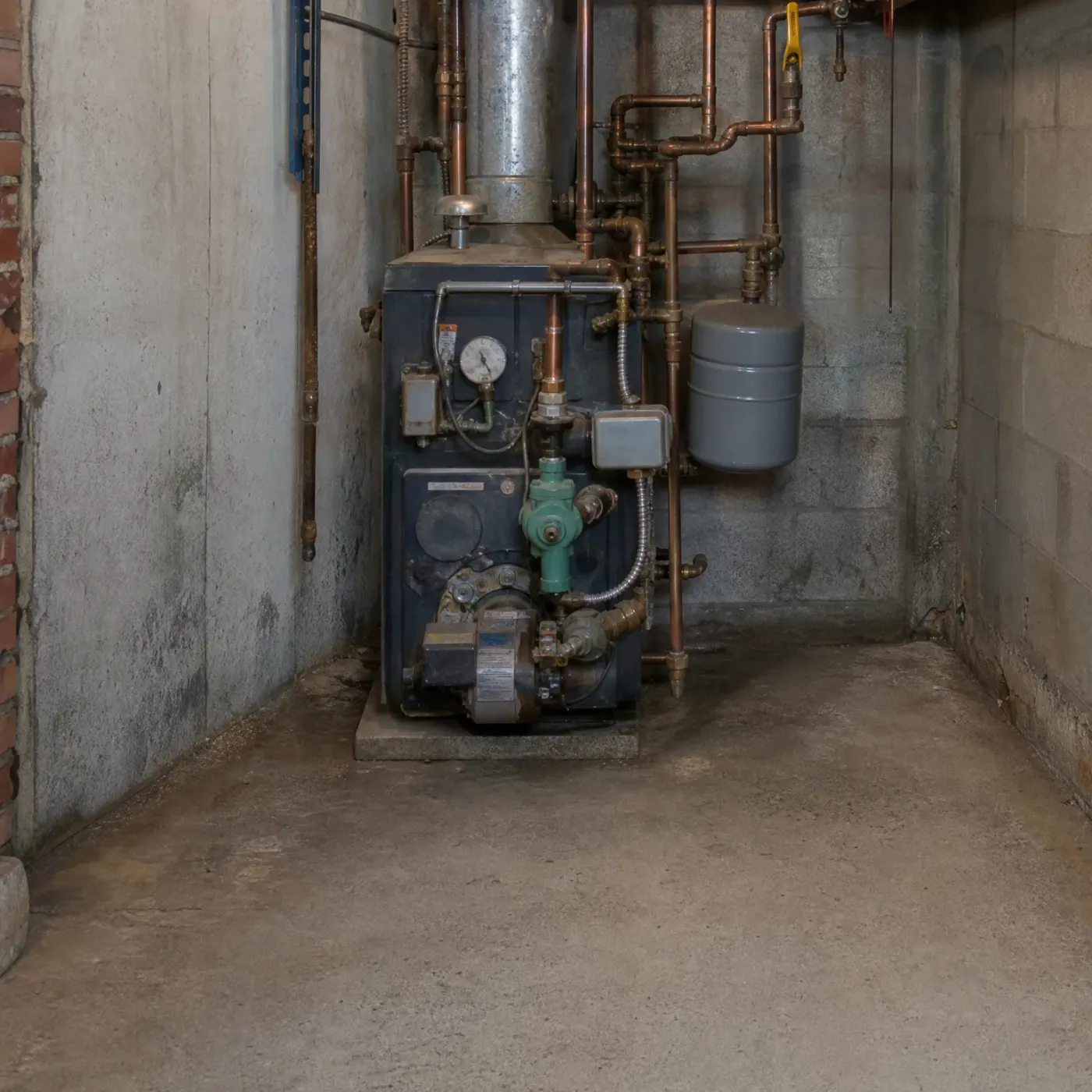
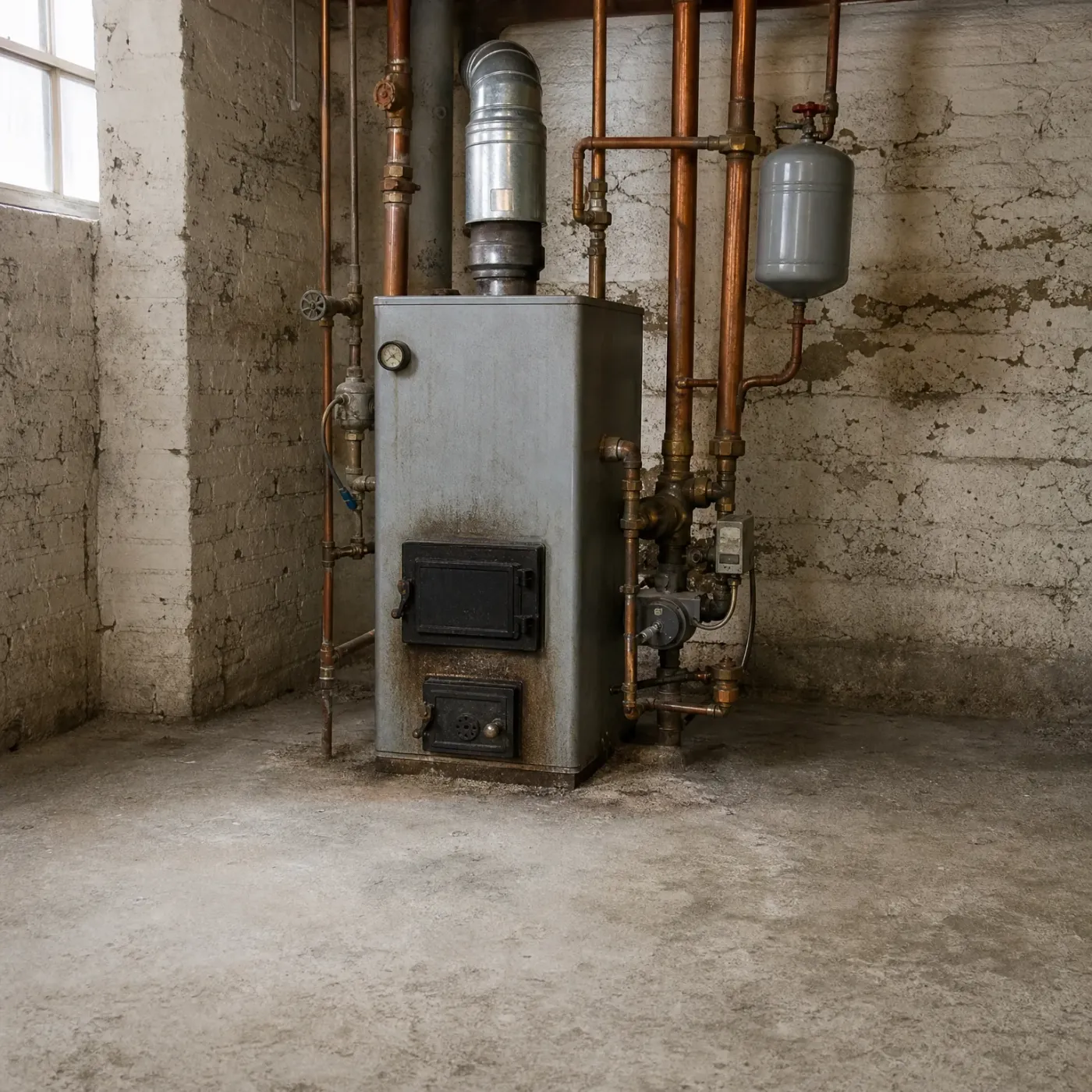
An old gray boiler with copper piping, a flue duct, pressure gauge and an expansion tank stands in the corner of a basement with painted masonry walls and a bare concrete floor.

Running on borrowed time

Bare concrete, a flue pipe going up from a cast iron boiler that's seen a lot of winters, valves and fittings patched in over the years. Nothing here says it's about to quit, but nothing says it has many winters left either.

Why does my boiler make a popping or banging noise when it starts up?

That bang in the pipes usually shows up right when the burner fires, loud enough that you hear it from another room. It's not subtle, and once you've heard it a few times you start wondering if it's something that needs a repair call now or a sign the whole boiler is on its way out.

It's called kettling, and it means mineral buildup on the heat exchanger

Water sitting against the heat exchanger leaves mineral deposits behind over years, and those deposits trap pockets of water against the hot metal. That water flashes to steam faster than the rest, and the steam bubble collapsing is the bang you hear. It's worse on the first firing of the morning, when the water's been sitting longest. A contractor can flush the system and clear it out, and on a boiler that's otherwise sound, that's usually enough. On a boiler already past 15 or 20 years old, kettling is often one more sign the heat exchanger itself is wearing thin, not just coated.

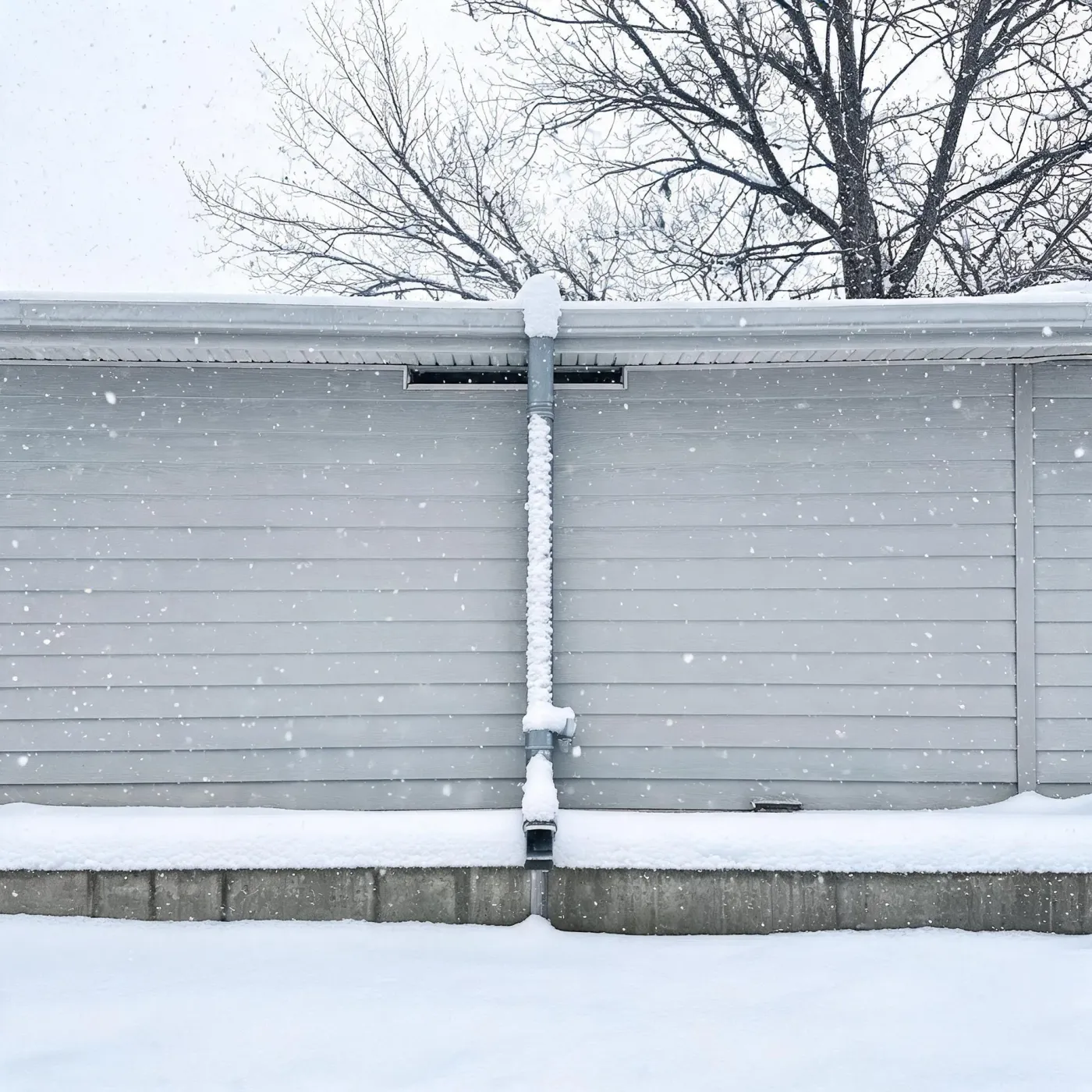
Exterior wall of a building with light gray horizontal siding and a snow-covered downspout running down its center, with bare trees behind the roofline and falling snow over deep snow on the ground.

Winter nights average 15°F across New Hampshire, according to NOAA climate data. Your boiler is sized to cover that kind of cold, but an old one doesn't cover it the same way it used to. Cast iron sections and a worn heat exchanger lose some of their grip on the heat before it ever reaches the water, so the burner has to run longer to make up the difference. You'd notice it as a furnace that almost never shuts off on the coldest nights, or a house that holds warm in most rooms but falls short in the one farthest from the boiler. That's the strain showing up before a part actually fails.

NOAA nClimDiv 1991-2020 county normals weighted by homes

A man seen from behind raises his hand to wave at a woman standing in the open front doorway of a single-story house with gray shingle siding, white columns and a gabled porch entry.

A small repair or a new boiler, decided by what's actually wrong

A seized pump or a stuck zone valve is worth fixing. A cracked heat exchanger or a leaking cast iron section means the boiler itself is done, and no repair changes that. That's the whole call, and by now you know which side of it you're on.

What's left is finding the right person to confirm it and do the work, without spending your evenings on the phone describing the same banging pipes and cold room to five different contractors. Answer a few questions about your boiler and what's going on with it, and a contractor who works on oil heat systems in New Hampshire gets in touch with you directly. No quotes to compare side by side, no calling back to check if anyone got your message.

A living room corner with a beige upholstered armchair holding navy and striped cushions, a small round wooden side table with a carved bowl and a potted green plant, a framed landscape picture on a pale wall, built-in shelving, and a curtained window.
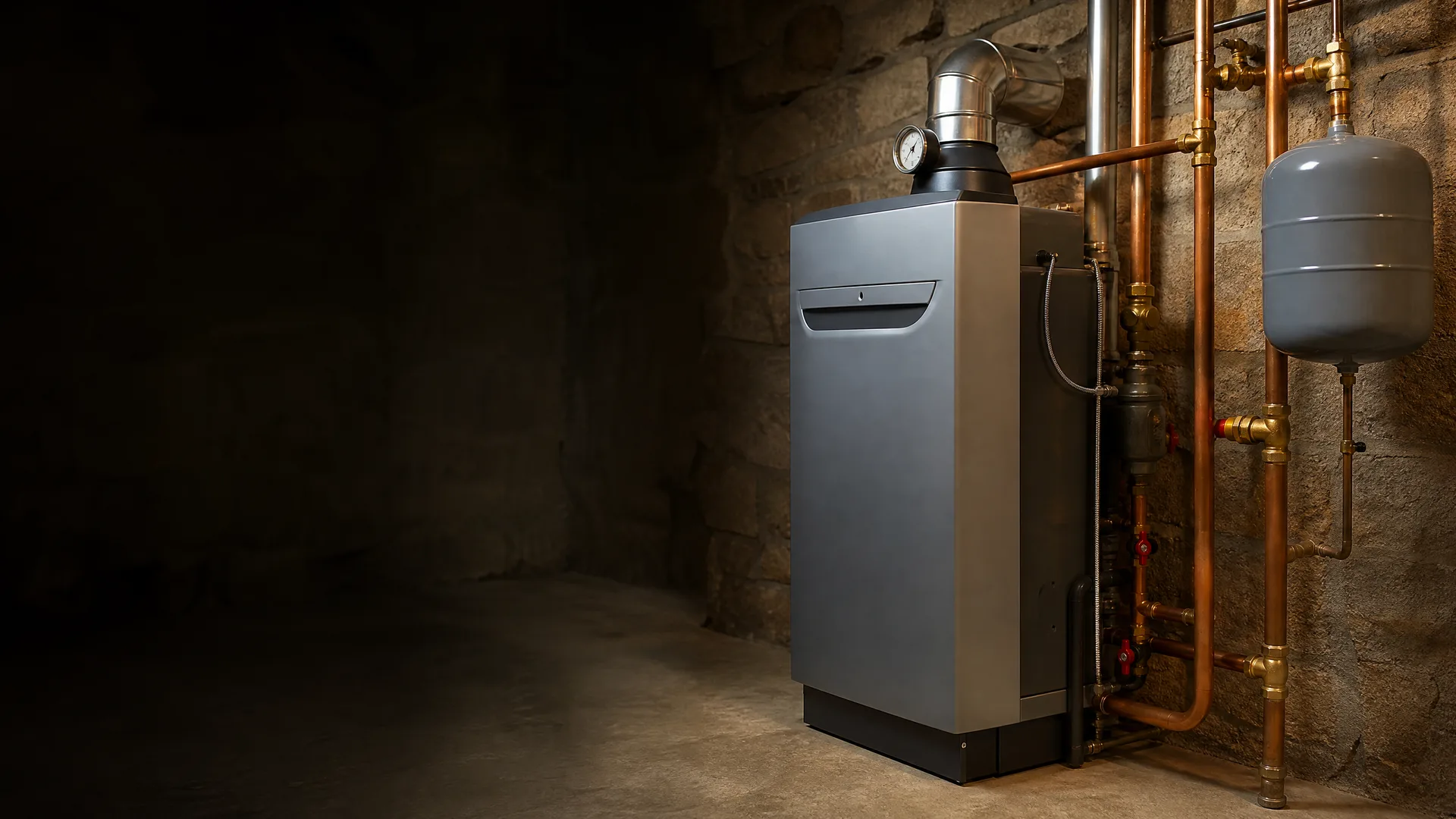
A gray floor-standing boiler with a flue pipe and pressure gauge stands against a stone basement wall, connected to copper and brass piping and a gray expansion tank.

Matched to your boiler job

Step 1 of 3: Equipment