Why one radiator stays cold in a New Hampshire winter
Tell a local repair pro what your boiler is doing.
One radiator stays cold while the rest of the house heats fine. In a steam system that usually means air trapped where it shouldn't be, a closed valve, or a vent that's stuck shut. In a hot water system it's more likely air in the line or a valve that needs bleeding. Either way, the boiler is heating water and sending it out. It's just not getting to that one room.
This is a boiler problem, not a furnace problem, and the fix depends on which kind of system you have and how it was piped. That's not something to guess at over the phone.
A plumber or heating tech who works on boilers all winter in New Hampshire has seen this exact complaint many times before, usually on the coldest nights when it matters most. They know which valves on which systems tend to seize up, which vents fail first, and where a pipe is likely to have been run wrong years ago.
Tell us about the radiator and the system it's part of, and you'll be matched with one licensed contractor local to your part of New Hampshire, not a handful of companies competing for your callback. That contractor will reach out to you directly. No guessing which of five quotes to trust, no explaining your situation over and over to different voices on the phone.
With oil heat and electricity costs what they are here, a cold radiator usually means the rest of the system is working harder to make up for it. Getting the right person looking at the actual pipe and the actual valve is the fastest way to know what's really wrong.
The details below walk through what usually causes this and how it differs by system type. When you're ready, the request takes a minute, and it goes to someone who already knows this kind of heat.
Why is one radiator cold when the rest of the house heats fine?
It's the middle of a New Hampshire winter and every radiator in the house is putting out heat except one. That room stays cold no matter how long the boiler runs or how high the thermostat gets set. With oil prices what they are, nobody wants the boiler working overtime to make up for a room that still won't warm. Before calling anyone, it helps to know what's actually keeping that one radiator from doing its job.
Air or a closed valve is almost always the reason
A cold radiator with a warm house almost always comes down to one of two things. If it's a steam system, the bleeder vent on that radiator may be clogged or stuck shut, so the steam can't push the air out and never gets in. If it's hot water, air trapped in that line is likely blocking the flow, or the inlet valve got closed or partway closed at some point and nobody noticed. Either way, the rest of the system keeps working fine because the problem is local to that one radiator, not the boiler. Bleeding the radiator or opening the valve fully clears a lot of these on the spot, but a valve that won't turn or a vent that won't clear points to something that needs a closer look.
Steam or Hot Water: Why It's Cold
Steam System
One pipe carries both steam going up and condensate coming back down, so a closed or broken vent stops the whole process in that radiator.
The fix is often a new vent, a cheap part, but reaching a radiator behind furniture or under a built-in takes more time than the part itself.
If the problem is a pitch issue, the radiator sitting unlevel on an old floor, that calls for shims or a look at the floor joists underneath.
A boiler running low on water pressure will send steam to the closest radiators first and leave the farthest one cold until that's corrected.
Because steam needs a clear, unobstructed pipe the whole way, a partial clog anywhere in that line shows up as a radiator that never gets hot.
Hot Water System
Air trapped at the top of the radiator keeps hot water from filling it, and bleeding the valve is often enough to bring it back.
A valve that's been closed, even partway, at some point will cut flow to just that radiator while the rest of the loop runs fine.
If the circulator pump is weak, the radiator furthest from the boiler is usually the one that runs cold first.
A zone valve stuck shut will take out every radiator on that zone at once, not just one, which helps narrow down where the problem sits.
Sediment settling inside an older radiator can block water from moving through it even when every valve upstream is working as it should.
Every Radiator Pulling Its Weight
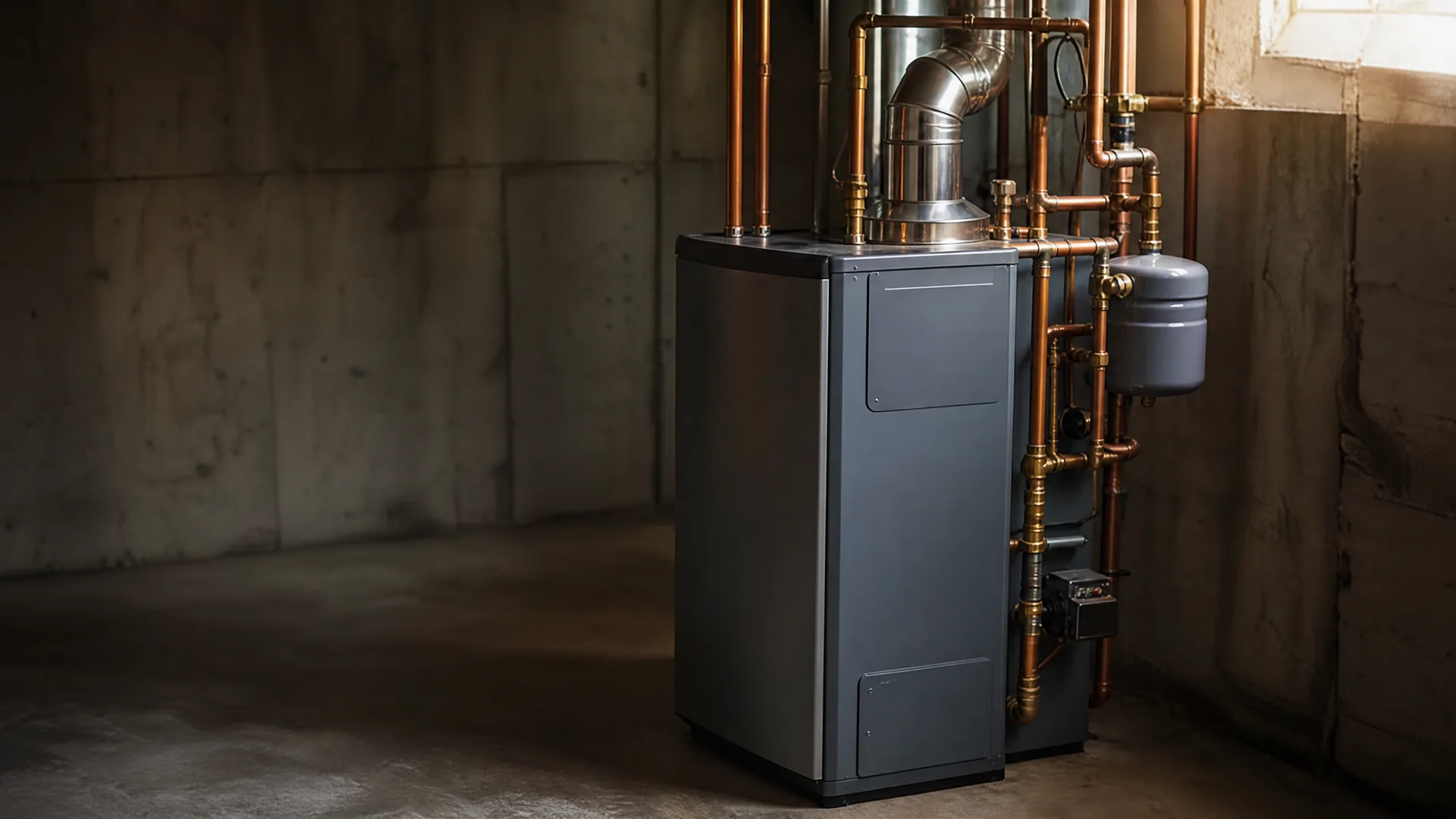
Here the pump pushes water to every radiator in the loop and each one gives back the heat it's supposed to. Pressure sits where the gauge says it should. The expansion tank is doing its job quietly, and no one room is fighting the rest of the house for warmth.
One Radiator Working Against the Rest
The same boiler, the same web of copper overhead, but somewhere past that flue elbow something's keeping heat from reaching one radiator. Air sitting where it shouldn't, a valve that won't open all the way, or a line that isn't filling like the others. The boiler runs the same either way. Only that one room pays for it.
One Cold Room, One Higher Bill
With oil heating most houses in this state, every hour the boiler runs longer to make up for that one cold radiator is an hour of oil you didn't need to burn. The thermostat reads the whole house, not that one room, so it keeps calling for heat long after the rest of the place is warm enough. Meanwhile someone in that room is reaching for a space heater, and on New Hampshire's electric rates, that adds up fast next to what the oil bill already costs.
Left alone, a stuck valve or a sealed vent doesn't fix itself. The pressure or air pocket causing it tends to sit there all winter, and some of these problems get worse with age, like a valve that corrodes shut or a trap that fails completely. A local contractor who works on steam and hot water systems through a New Hampshire winter has likely seen that exact radiator problem before, in that exact kind of system. Get matched with one, and you're dealing with a single contractor who knows the equipment, not a string of calls to sort through.
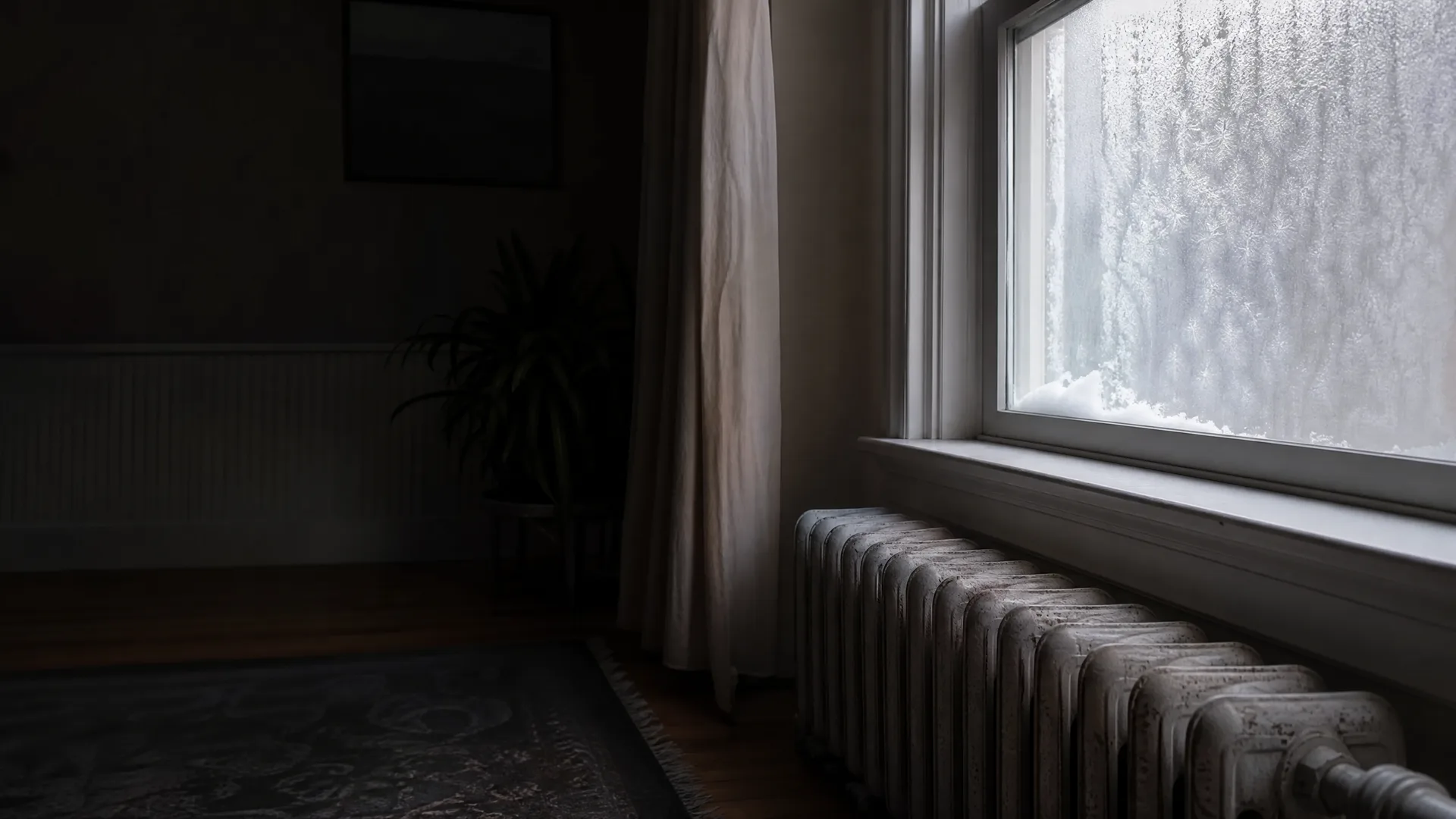
You wake up before the rest of the house and go down to put the coffee on. The living room is gray in the early light, cold enough that you can see your breath near the window. The radiator under it sits there silent while frost has climbed up the inside of the glass overnight. You rest a hand on the cast iron anyway, out of habit, and it's cold to the touch, same as yesterday. Upstairs the bedrooms are warm. The kitchen is warm. This one room isn't, and whoever ends up on the couch today is going to reach for a blanket before they reach for anything else. A local contractor who deals with these systems every winter would know within a few minutes which part in that line is the problem.
A boiler tech who works in this state sees this exact problem all winter, radiator after radiator, house after house. It's rarely a mystery once someone's hands are on the valve or the vent. Knowing whether yours is steam or hot water, and knowing what usually causes a single cold radiator in each, is most of the job before any tool comes out. That's worth more than a guess over the phone. A local contractor who services this equipment every season has already seen your situation a dozen times this winter alone, and whoever takes on the job is the only one who gets your request, not a handful of companies competing for your callback. With oil prices what they are here and power costing what it does, a cold radiator left alone all season adds up. Getting someone out to look at it now, while the rest of the house proves the system still works, is a smaller job than waiting until the boiler itself is straining.
What's Actually Happening Inside That Radiator
Steam vents have a small hole sized to let air out slowly, and rust or paint can seal that hole shut.
A hot water system traps air at the highest radiator first, which is why top floor rooms go cold before anything downstairs.
Closing a radiator valve halfway on a steam system can stop it from drawing steam at all, not just slow it down.
Hot water systems push water with a pump, so a stuck zone valve can shut off flow to one radiator while every other one keeps running.
Sediment settling inside a radiator's inlet can block flow gradually, so the room goes from barely warm to stone cold over a season.
A steam radiator pitched the wrong way traps condensate at the far end, which keeps steam from filling the whole radiator.
A steam radiator only has one job for its vent: let air escape so steam can rush in behind it. That vent has a small hole, and once rust or old paint seals it, air has nowhere to go, so steam never gets past it. The valve matters too. Steam valves are built to be fully open or fully closed, and cracking one halfway can choke off steam entirely instead of just turning the radiator down. Pitch matters as much as the vent. A steam radiator needs to tilt slightly back toward the pipe it came from, and if it's level or tipped the wrong way, the water that steam turns back into sits at the far end and blocks steam from filling the rest of the radiator.
Hot water systems fail differently because a pump is pushing water through the whole loop rather than steam finding its own way up. Air collects at the highest point in that loop, so if your cold radiator is upstairs, trapped air is the first thing worth checking. Each radiator usually has its own zone valve, and when one sticks shut, water keeps moving fine through every other radiator while that one gets nothing. Sediment is the slow version of the same problem. It builds up inside the inlet over a season, cutting flow down bit by bit until a radiator that was lukewarm in November is stone cold by January.
Two systems, two different failures, but in both cases the rest of the house keeps heating while one room gets left out.
Before you get your boiler repairAfter you get your boiler repair
The National Weather Service puts the statewide average winter night at 15°F. At that temperature your boiler isn't cycling on and off anymore, it's running long steady stretches just to hold the house. That makes a cold radiator worse, not just annoying. The room with the bad vent or the trapped air was already losing the race against the cold outside, and a 15°F night gives it less chance to catch up. You'll notice it most right around dawn, when that one room feels like it never got the memo the rest of the house did.
NOAA nClimDiv 1991-2020 county normals weighted by homes
Winter nights average 15°F statewide
At 15°F the boiler is running long stretches, not short bursts, to keep the house at temperature. A radiator that won't heat during one of those stretches costs you real oil, night after night, until someone opens that valve or clears that vent.
NOAA nClimDiv 1991-2020 county normals weighted by homes
1
Technician checks whether your system is steam or hot water first
2
Bleed valve or vent opens to let trapped air escape
3
Radiator valve gets checked for debris or a stuck stem
4
System pressure and water level get confirmed at the boiler
One cold radiator has a cause, steam or hot water, and that cause has a fix. A trapped vent, a closed valve, air in the line, debris sitting where it shouldn't. None of it requires guessing once someone is standing at the radiator with the right tools. A boiler tech based in New Hampshire sees this same problem on this same kind of system all winter long, so the valve or vent that's giving your house trouble is one they've likely opened a dozen times this season already. You'll be matched with one contractor, licensed and local, not a handful of companies competing for your callback. That means one person who already knows what to check first, showing up to look at your system instead of a stranger's. The cold room gets its heat back, the rest of the house stops carrying the load for it, and the boiler stops running longer than it needs to on a night that's already 15 below zero outside.