1 to 2 degrees of pitch
Oil-fired boilers need the main lines pitched slightly back toward the unit. Lose that pitch and water pools, traps air, and bangs every time the burner fires.
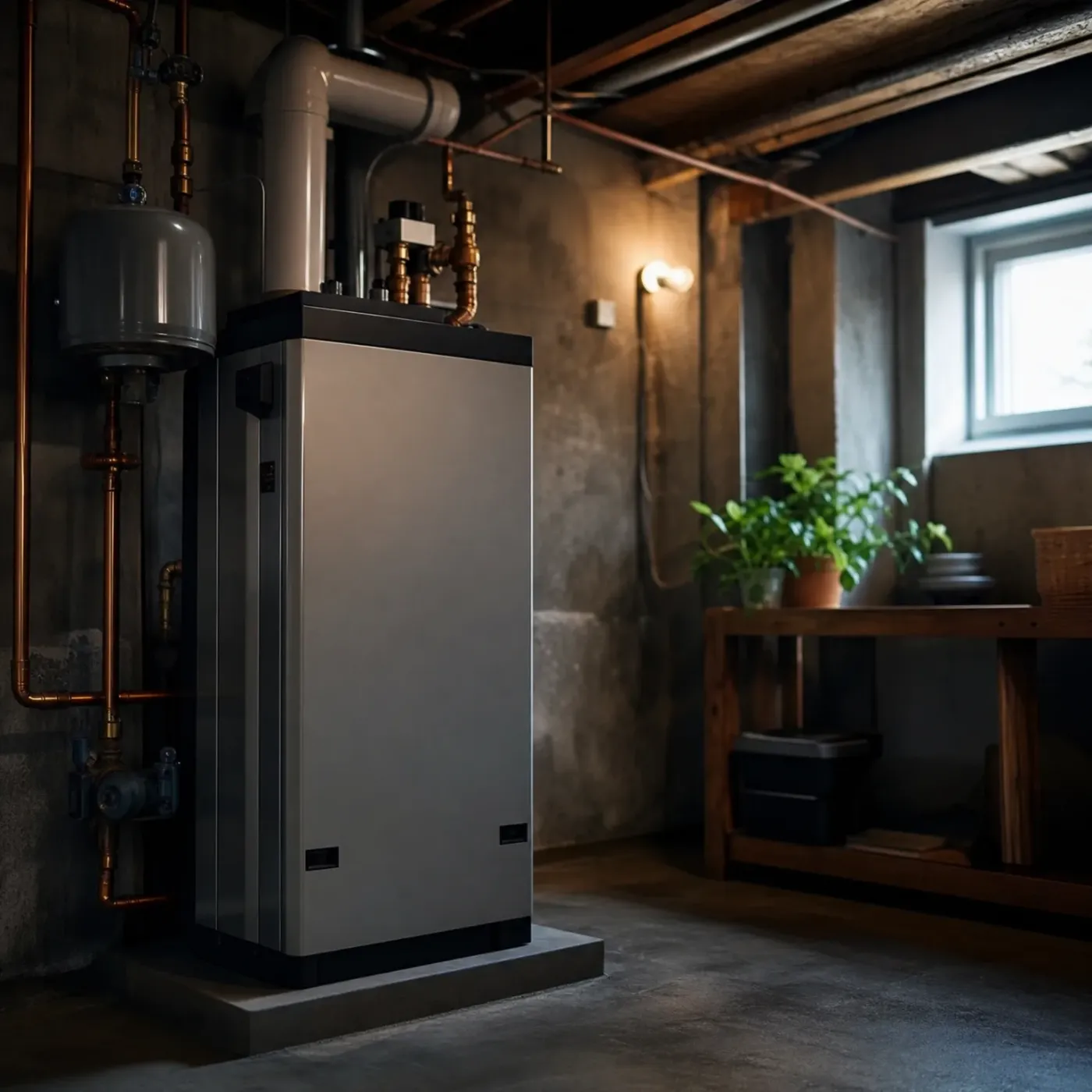
Get the right pro for your boiler
Banging from a boiler usually means trapped air, loose pipe straps, or mineral buildup in an old oil-fired system, and which one it is changes what gets fixed. This page walks through what the sound usually means before you deal with calling around to find someone in New Hampshire who can take a look.
Get matchedThat banging usually means water hammer. Air gets trapped in the pipes or the boiler itself, and when steam or hot water hits that pocket of air, it slams against the pipe walls. That's the bang, sometimes several in a row. In an oil-fired boiler that's been running for years, there's another cause: mineral and sediment buildup inside the heat exchanger. Water trapped under scale heats unevenly and pops as it moves, which sounds a lot like the pipes but comes from inside the unit. Loose pipe straps can also let copper or steel lines knock against joists or studs as they expand with heat. Each of these has a different fix. Bleeding air from the system is simple. Scale buildup usually means a cleaning, and if it's gone on long enough, it can mean the heat exchanger is wearing out. A boiler that's banging isn't shutting down on its own, but ignoring it tends to make the noise, and the problem behind it, worse over time.






Scale buildup and trapped air cause most of this, but they sound different once you know what to listen for. A rumble that builds over a few seconds, almost like a kettle, means mineral scale has coated part of the heat exchanger. Water gets held against that hot metal longer than it should and flashes to steam in small pockets. A single sharp knock right as the burner kicks on is usually mechanical, a pipe expanding fast against a strap set too tight to let it move. Oil-fired systems run hotter cycles than gas ones, so that expansion happens harder and the knock carries more. Cold mornings make any of this worse, since the system works harder and pushes more on whatever's already loose or trapped. If the boiler lost pressure recently and got refilled, air pulled in during that refill has to travel back out through the same pipes, and that's a different fix than scale that's been sitting for years.
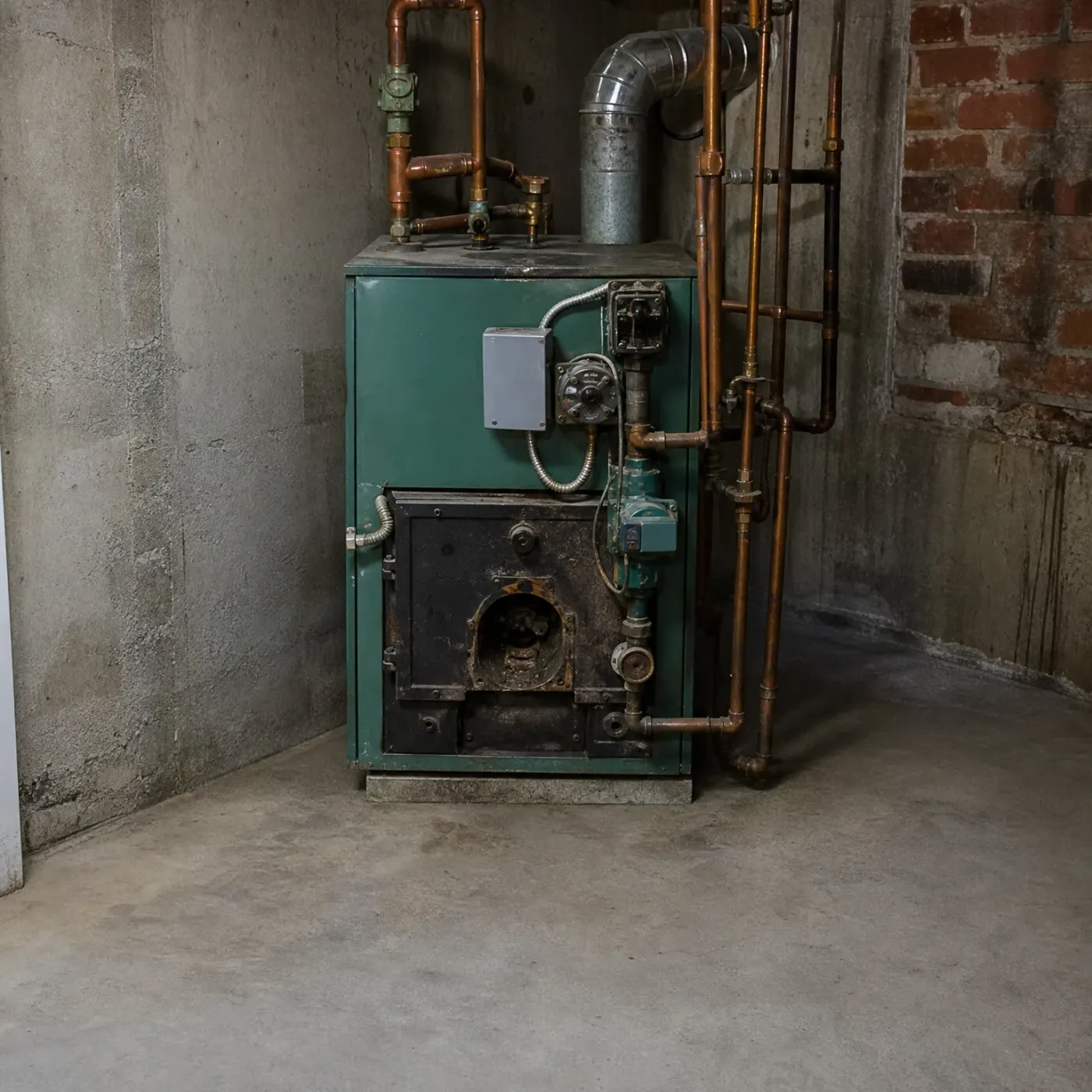
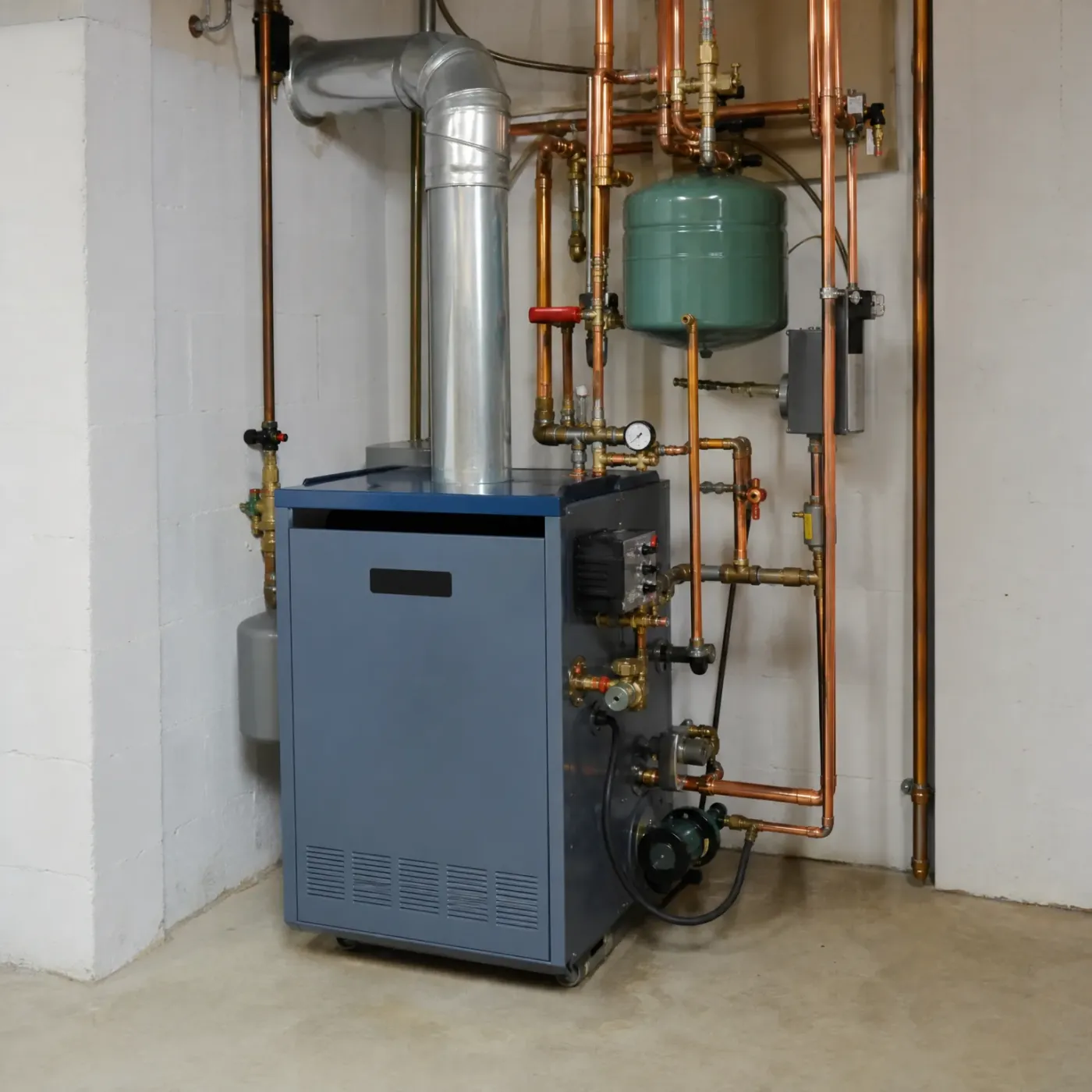
Oil-fired boilers need the main lines pitched slightly back toward the unit. Lose that pitch and water pools, traps air, and bangs every time the burner fires.
A boiler has no belt to squeal or bearing to wear loose. A banging noise points to water, air, or scale, not a worn moving part.
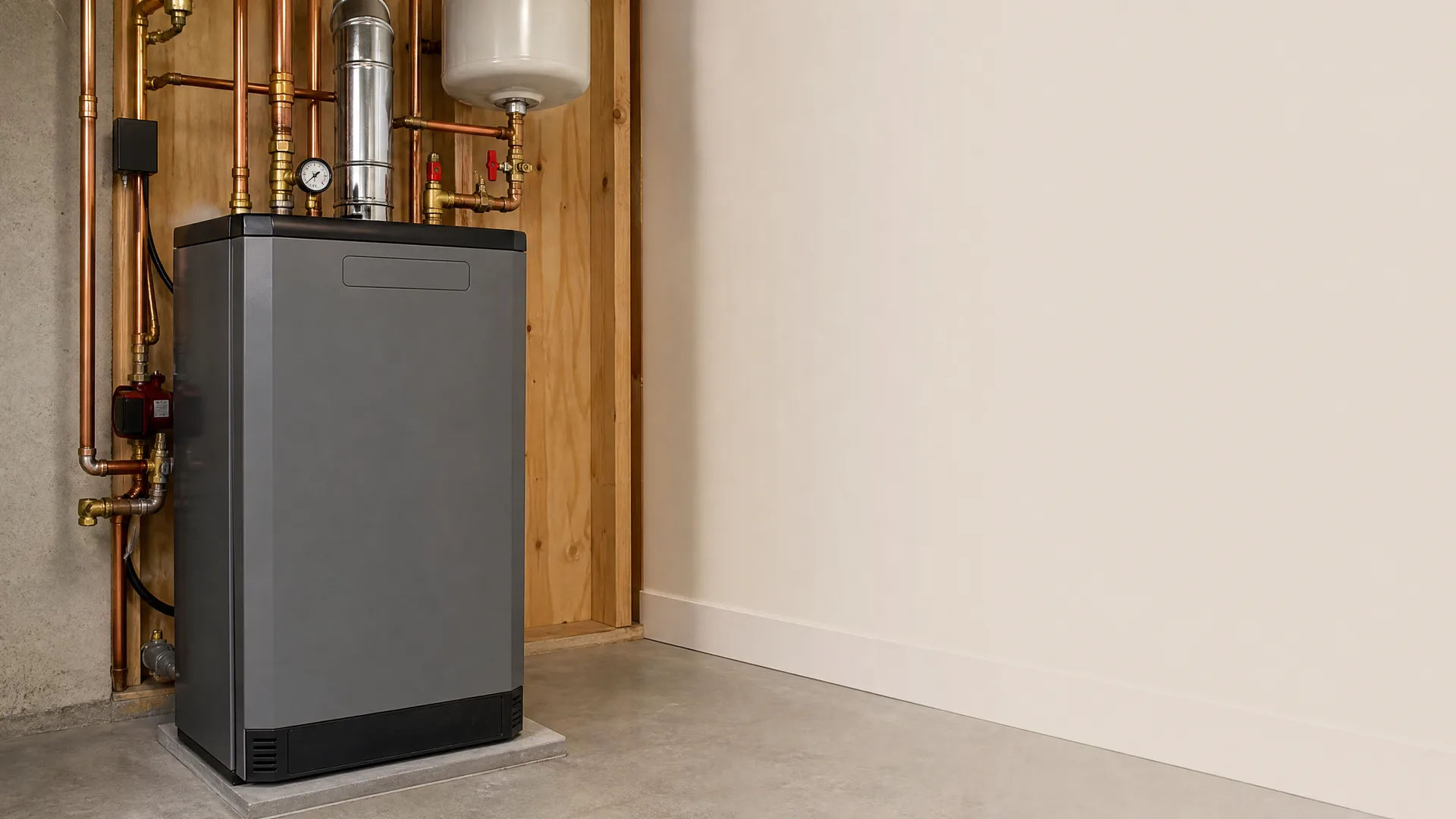
You hear it in the pipes first, but the knocking carries through the floor joists and into the rooms above. A bang at 11 at night wakes people up. It happens every time the burner fires, so on a cold January night that might be a dozen times before morning. The noise itself isn't dangerous, but trapped air or scale forces the burner to run longer to push the same heat through the system, and oil doesn't get cheaper while it does that.
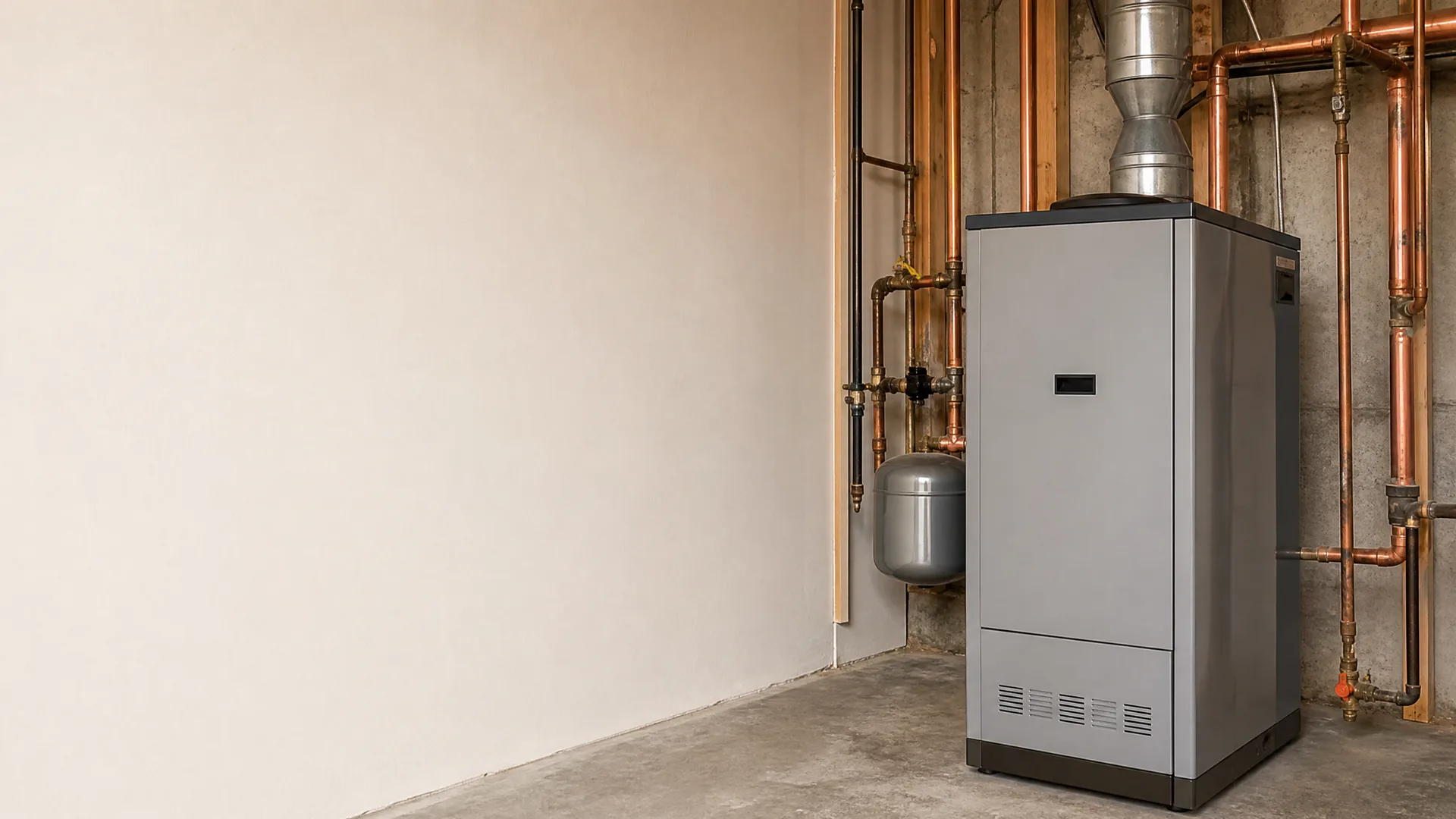
Water hammer against a pipe strap works the strap loose over time, and a pipe that's free to move can wear through insulation or crack a joint where it meets the boiler. Scale buildup is worse: it sits between the flame and the water, so the heat exchanger runs hotter than it should to get the same heat into the house. That shortens the life of the exchanger. None of this happens overnight, but a boiler that's been banging for a season is further along than one that started last week.
At 15°F, your boiler's burner is firing often and running long to hold the house steady. Every one of those cycles pushes water and steam through the same trapped air or mineral buildup, which is why the banging doesn't let up once the cold settles in.
NOAA nClimDiv 1991-2020 county normals weighted by homes


You've read enough by now to know roughly what's banging in there, air, pitch, or scale built up on the heat exchanger. Knowing that doesn't fix it, and tracking down who can is its own chore on top of a cold house. You'd be calling around New Hampshire oil boiler techs, explaining the same noise three or four times, then sitting with quotes that don't line up because nobody looked at the same pipe. That's the part worth skipping. A night with a banging boiler is one thing. A week of phone tag while it keeps banging, with oil prices here what they are and the burner firing long and often once it drops into the teens, is another. Hand off the finding part now and get back to the rest of your evening.
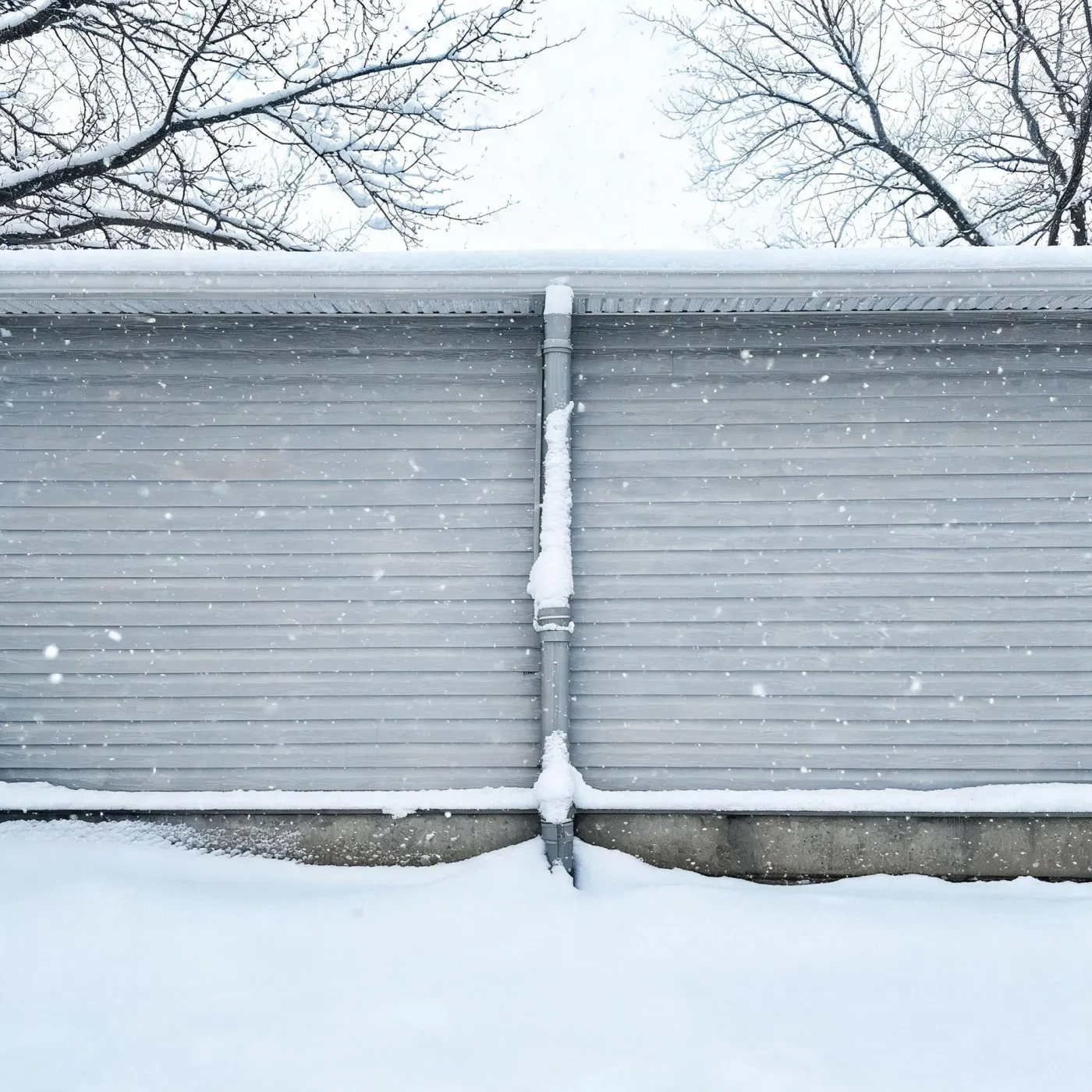
Statewide, winter nights average 15°F, per NOAA. At that temperature your boiler's burner is cycling on for long stretches just to keep the house at setpoint, and it's not running quietly through those stretches if there's trapped air or scale on the heat exchanger. Every cycle pushes water through the same pocket of air or the same coated metal, so the banging you hear at 7pm is the same banging that'll wake you at 2am. Cold snaps don't cause the problem, but they make sure you hear it more, because the burner simply fires more often to keep up.
NOAA nClimDiv 1991-2020 county normals weighted by homes
You probably notice it most when the burner first kicks on, a knock or a series of bangs somewhere in the pipes or the boiler itself, then quiet once the system's running. Some houses get a rattle that builds into a louder pop, almost like something's boiling hard. It carries through the floor, so a room upstairs can pick up noise from a pipe in the basement. If it's been going on a while without attention, the parts taking the hit, straps, joints, the heat exchanger itself, wear faster than they should, and a boiler running rough like that is burning oil to fight itself instead of just heating the house.
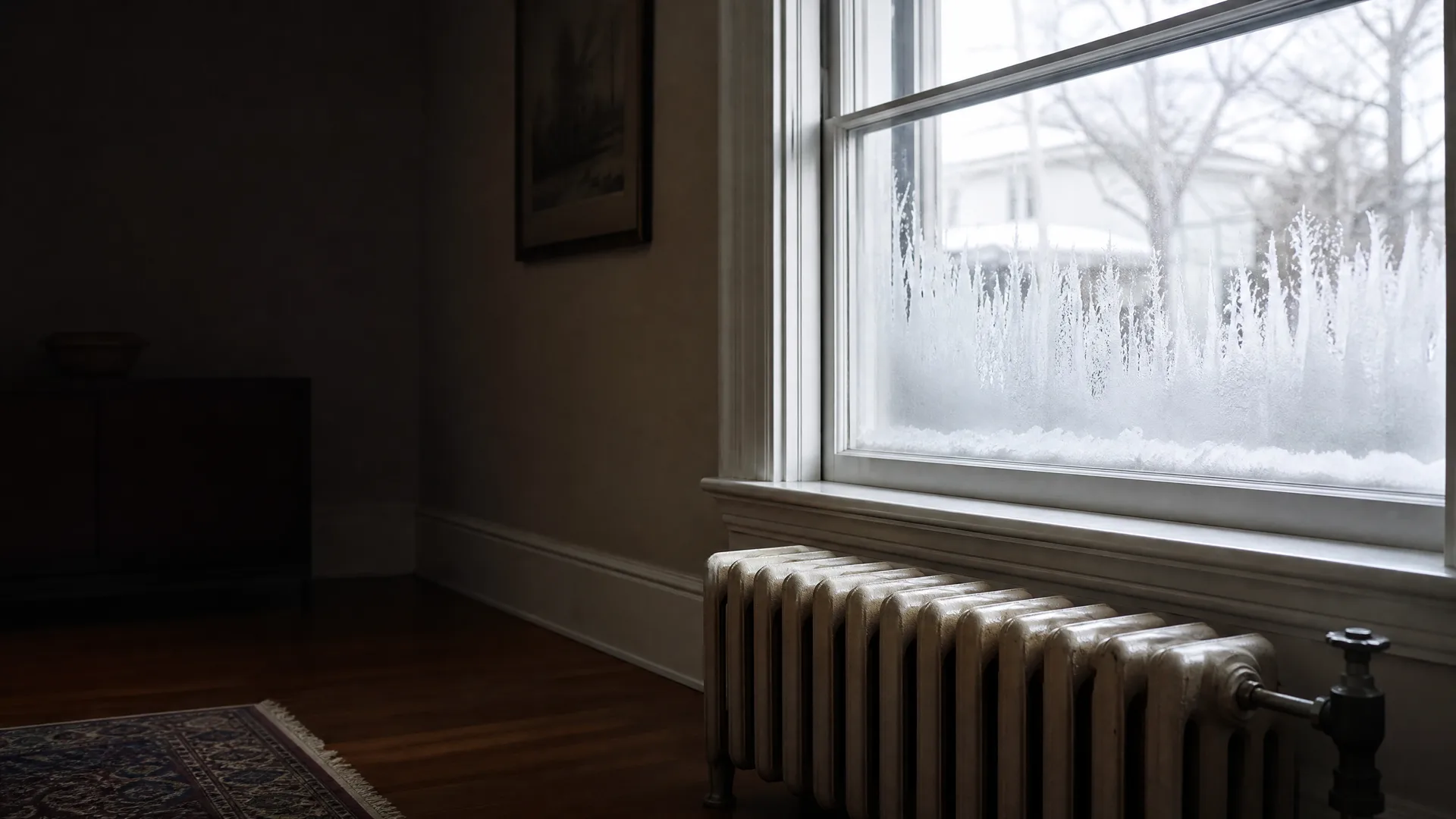
It's just past six on a January morning and the house is still dark except for the streetlight coming through the window. You're on the couch with a blanket because the living room hasn't caught up yet. The glass above the radiator has a skin of ice on the inside, right at the bottom corner where the cold settles. Then the pipe under the floor knocks, once, hard, and the radiator ticks as it starts to heat. You wait for the second bang, because there's always a second one. Outside it's maybe 15 degrees. The oil burner is going to run like this most of the morning.

Trapped air, lost pitch on the main lines, or scale on the heat exchanger. One of those three is making the noise in your pipes, and a look at the boiler tells a contractor which. None of them get better by waiting through another oil-fired winter in New Hampshire with power costs what they are.
What's left is finding someone to go look, without the usual run of calls, explaining the same banging noise to five different shops, then sitting with quotes trying to guess who's worth hiring. Answer a few questions about your boiler and what you're hearing, and a contractor who works on oil-fired systems in New Hampshire gets your details and reaches out to you directly.


The right pro for this job



