Profile view of a bearded man wearing a dark baseball cap and a dark gray T-shirt against a plain off-white background.

Why your radiators won't heat up in New Hampshire

Step 1 of 3: Equipment

A radiator that stays cold usually means air trapped inside it, so hot water can't fill the space and push the heat out. Open the bleed valve with a radiator key and you'll hear a hiss as the air escapes, then water follows and the radiator starts heating. If bleeding doesn't fix it, the problem is further back: a boiler losing pressure, a circulator pump that's failed, or sludge built up inside the radiator blocking water flow. With most New Hampshire homes running on oil heat, a boiler that's lost pressure or short-cycling can also point to a failing pump or a clogged line feeding the system. Any of these mean the boiler itself needs a look, not just the radiator. Since this runs on your home's heating system for the whole winter, a problem that isn't fixed right tends to come back, often on the coldest night, when you need the heat most.

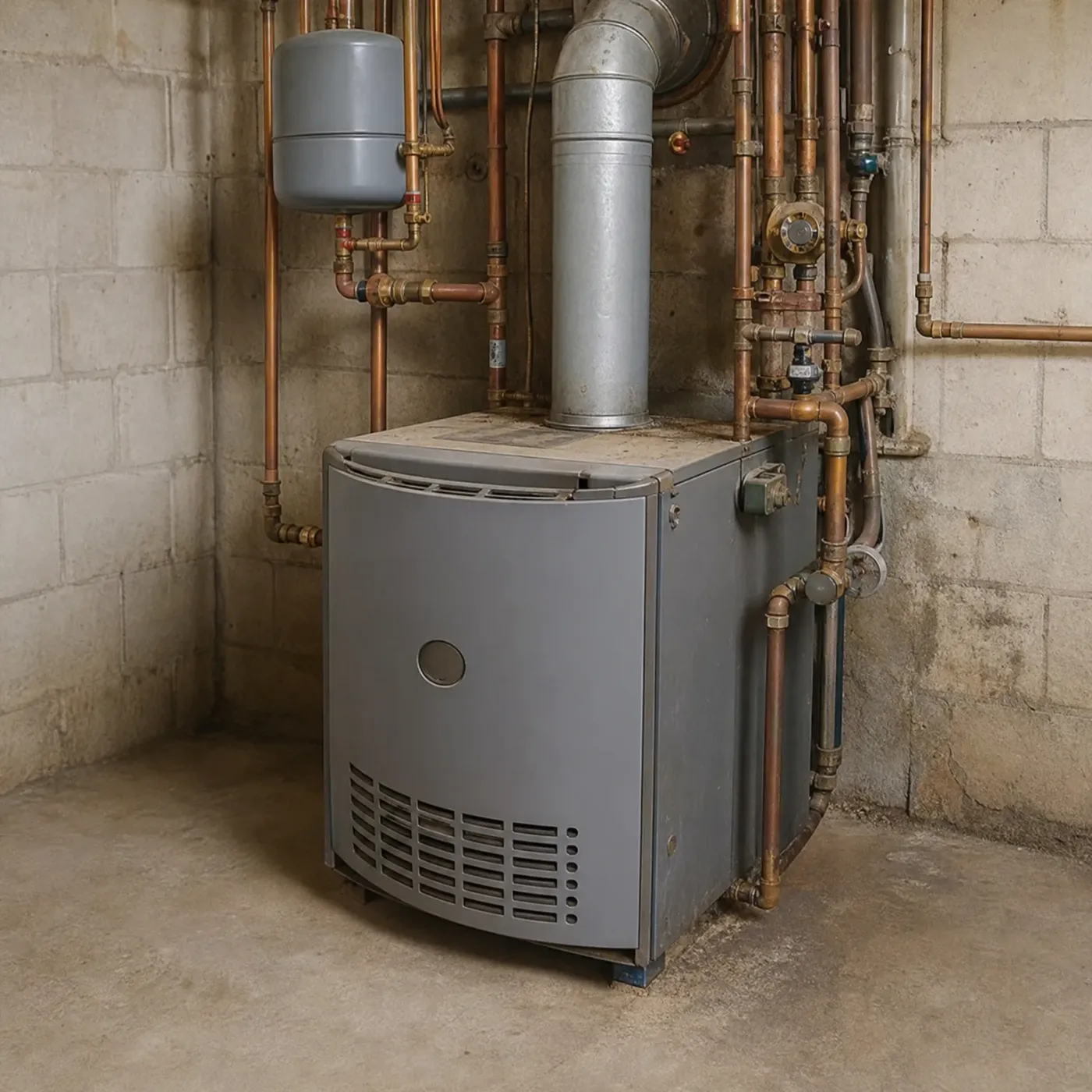
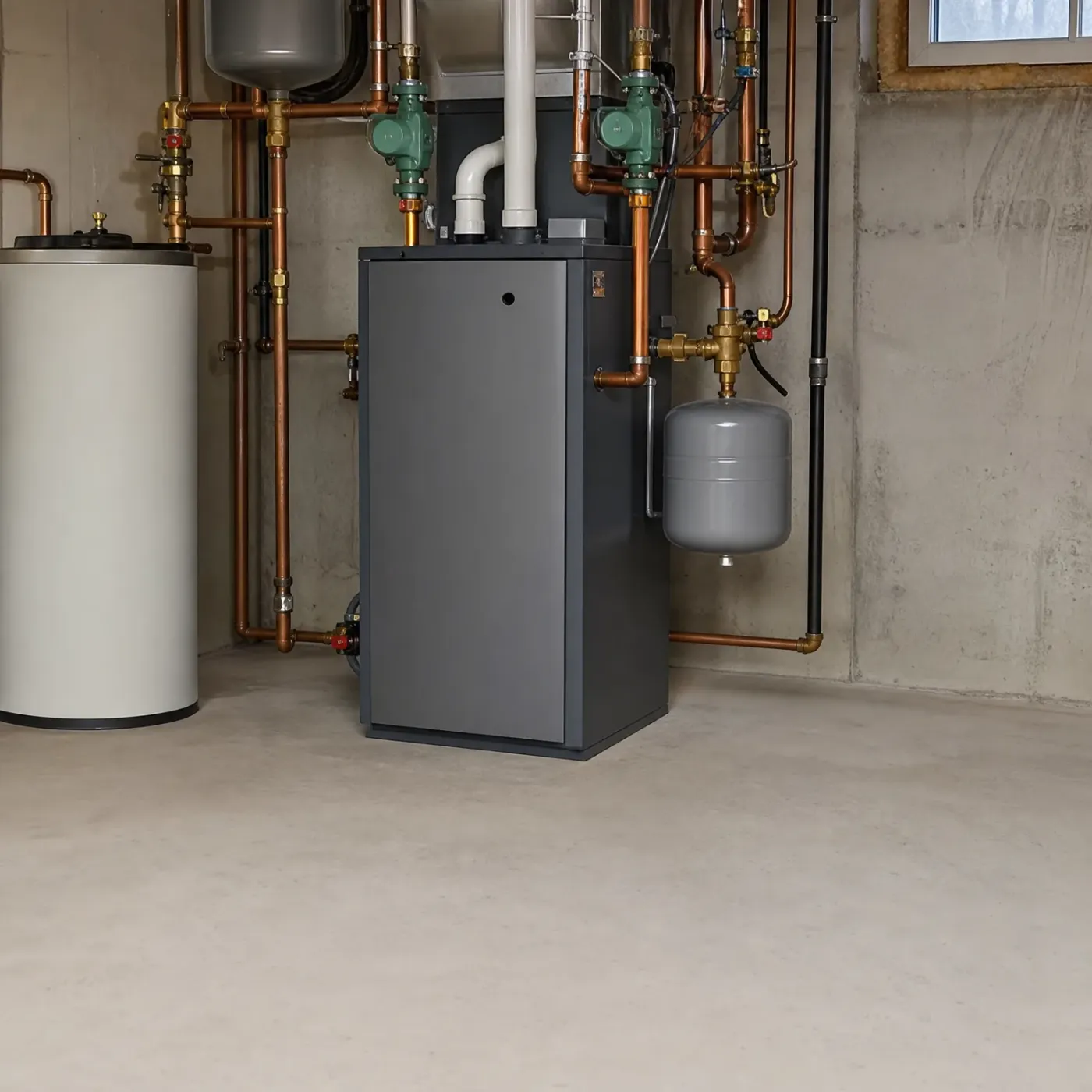
A dark gray floor-standing boiler in a concrete-walled basement, connected to copper piping, circulator pumps, a gray expansion tank, and a cream-colored storage tank to the left.
Water moves through every loop and the pumps push it where it needs to go.
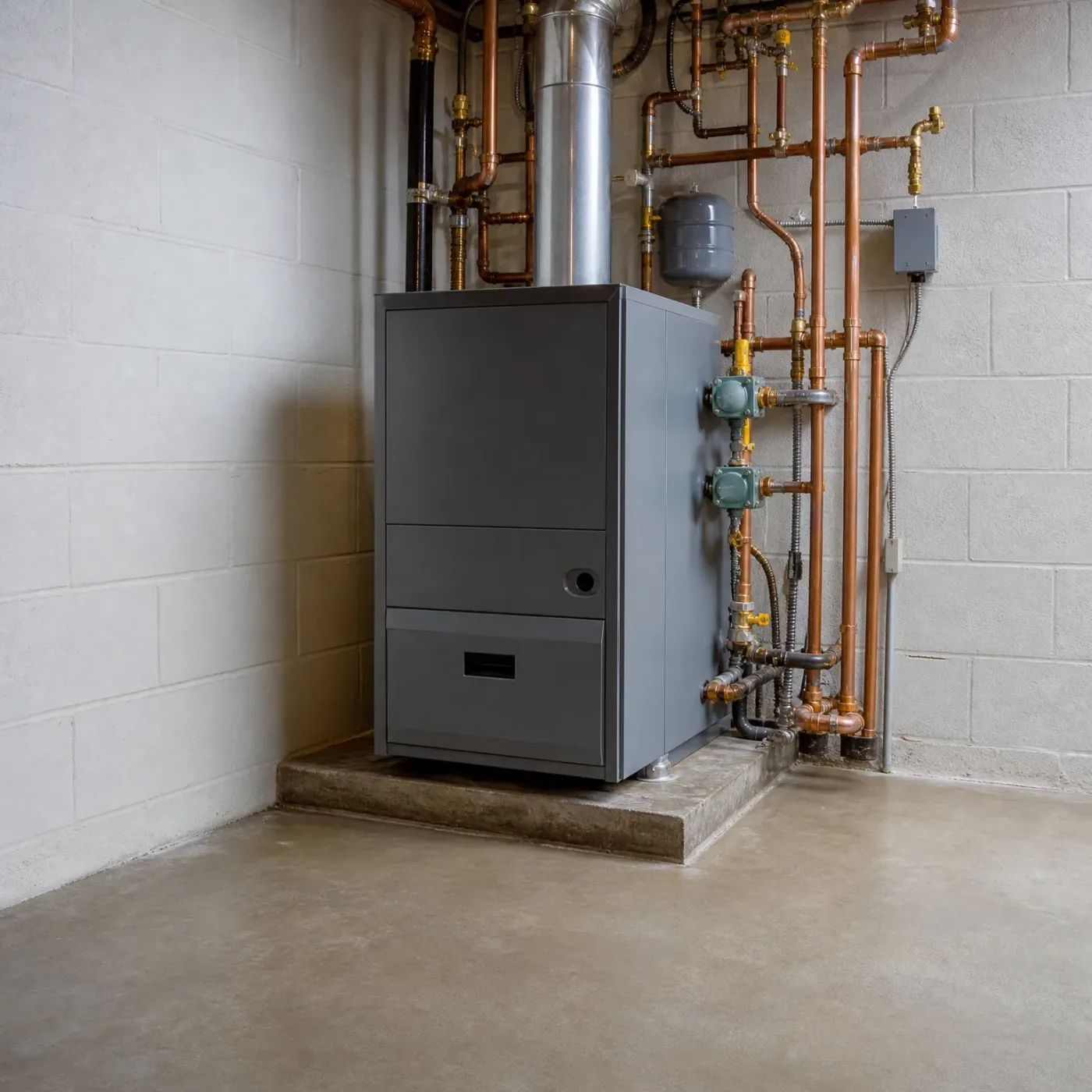
A gray residential boiler with a metal flue pipe stands in a concrete-block basement corner, surrounded by copper piping, valves and a gray expansion tank.
A stuck zone valve or a failed pump means that loop never gets hot water at all.
A gray-haired man in a dark long-sleeve shirt sits on a gray sofa in a living room, looking toward a sunlit window with sheer curtains.
A gray-haired man in a dark green sweatshirt sits on a sofa in a living room, looking toward a bright window, with a houseplant, lamp, fireplace and framed art behind him.
A gray-haired bearded man in a dark green collared sweater sits on a sofa in a living room with a window, houseplant, floor lamp and bookshelves, looking off to the side.
A gray-haired man in a dark green sweater sits on a sofa in a sunlit living room, looking off to the side, with a framed landscape painting, dining table and shelving behind him.

Why is only part of the radiator warm, or one room still cold

You put a hand on the radiator and the bottom is warm but the top stays cold, or the whole thing is cold while the room next to it heats fine. One cold room in a New Hampshire house in January isn't something to live with until spring. You might hear gurgling or knocking in the pipes, or notice the boiler running longer than it used to without the house feeling any warmer. If the boiler keeps firing to make up for radiators that won't take the heat, it burns more oil doing it, and oil here isn't cheap. Left alone, a zone that won't heat can mean a pump or valve working harder than it should, and that's wear that doesn't reverse itself.

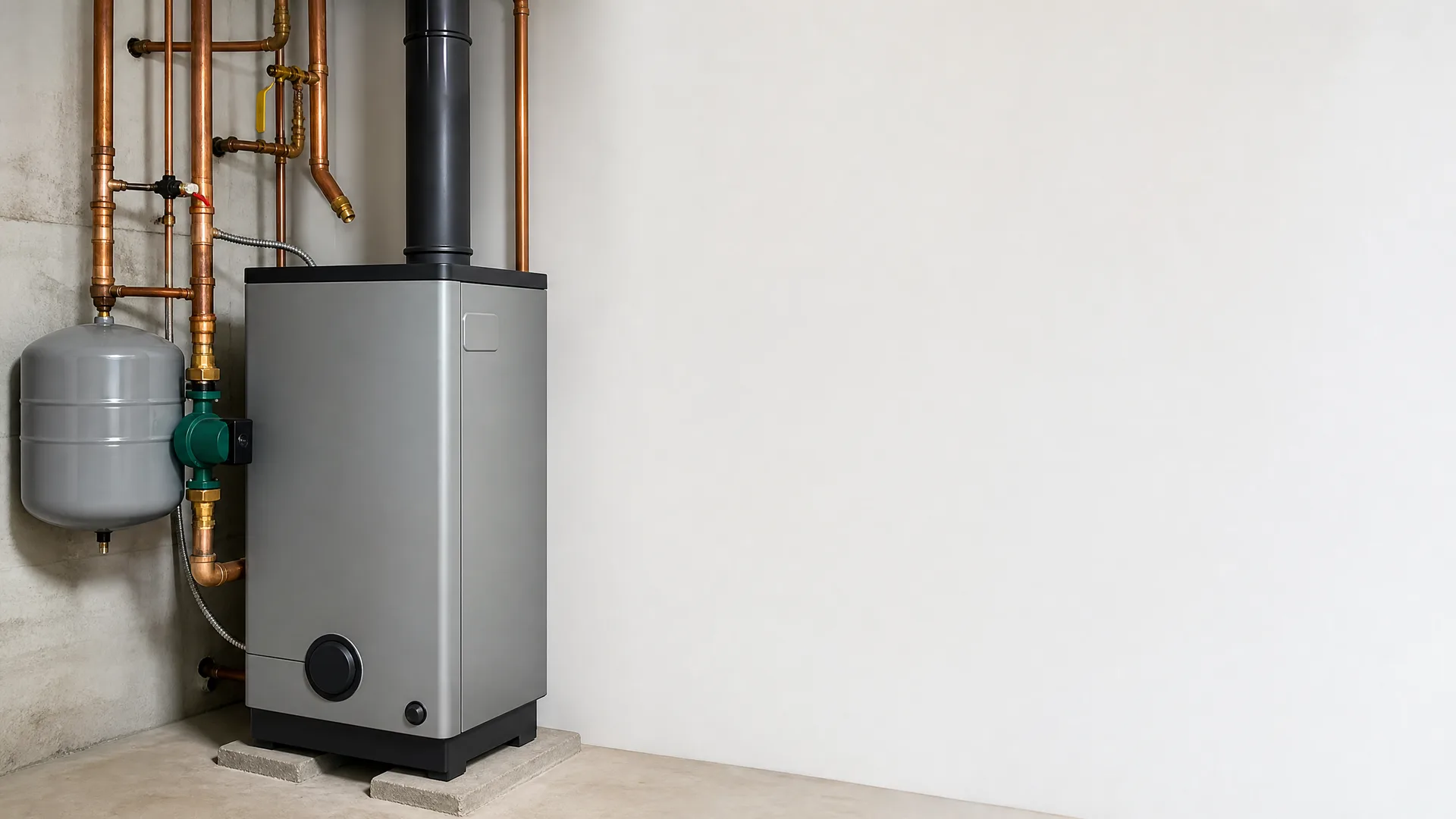
A gray floor-standing boiler with a black flue pipe stands on concrete blocks in a corner, connected to copper pipes, a green circulation pump, and a gray expansion tank on the wall.

What a bleed valve won't fix

Bleeding a radiator clears air, but it doesn't fix a boiler that's low on water or a system that's lost pressure. Most boilers need to sit somewhere around 12 to 15 psi cold. If the gauge reads low, air works its way back into the radiators within weeks no matter how often you bleed them. A contractor checks the pressure and the feed valve before touching anything upstairs, because refilling the loop is what actually stops the problem from coming back.

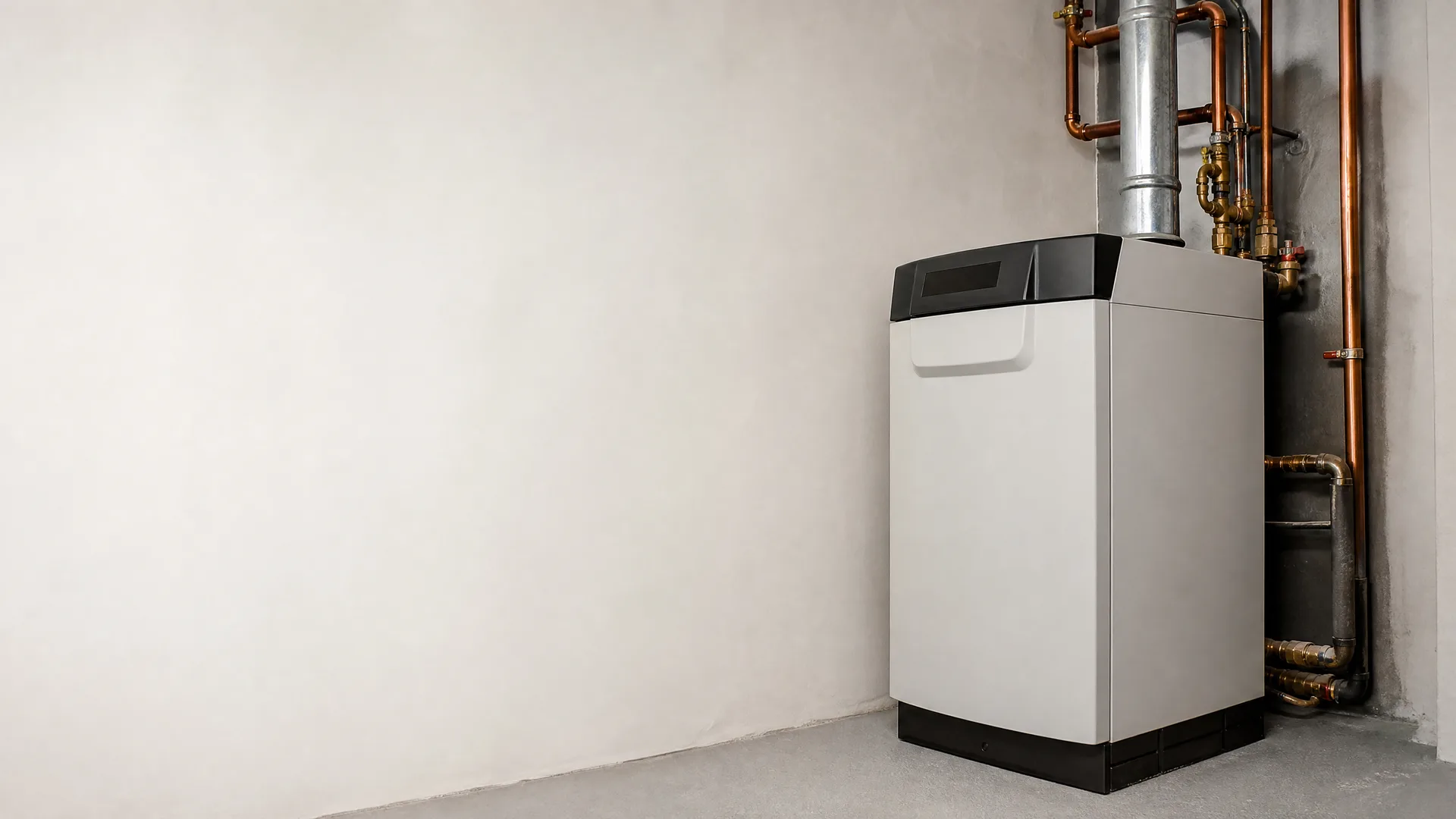
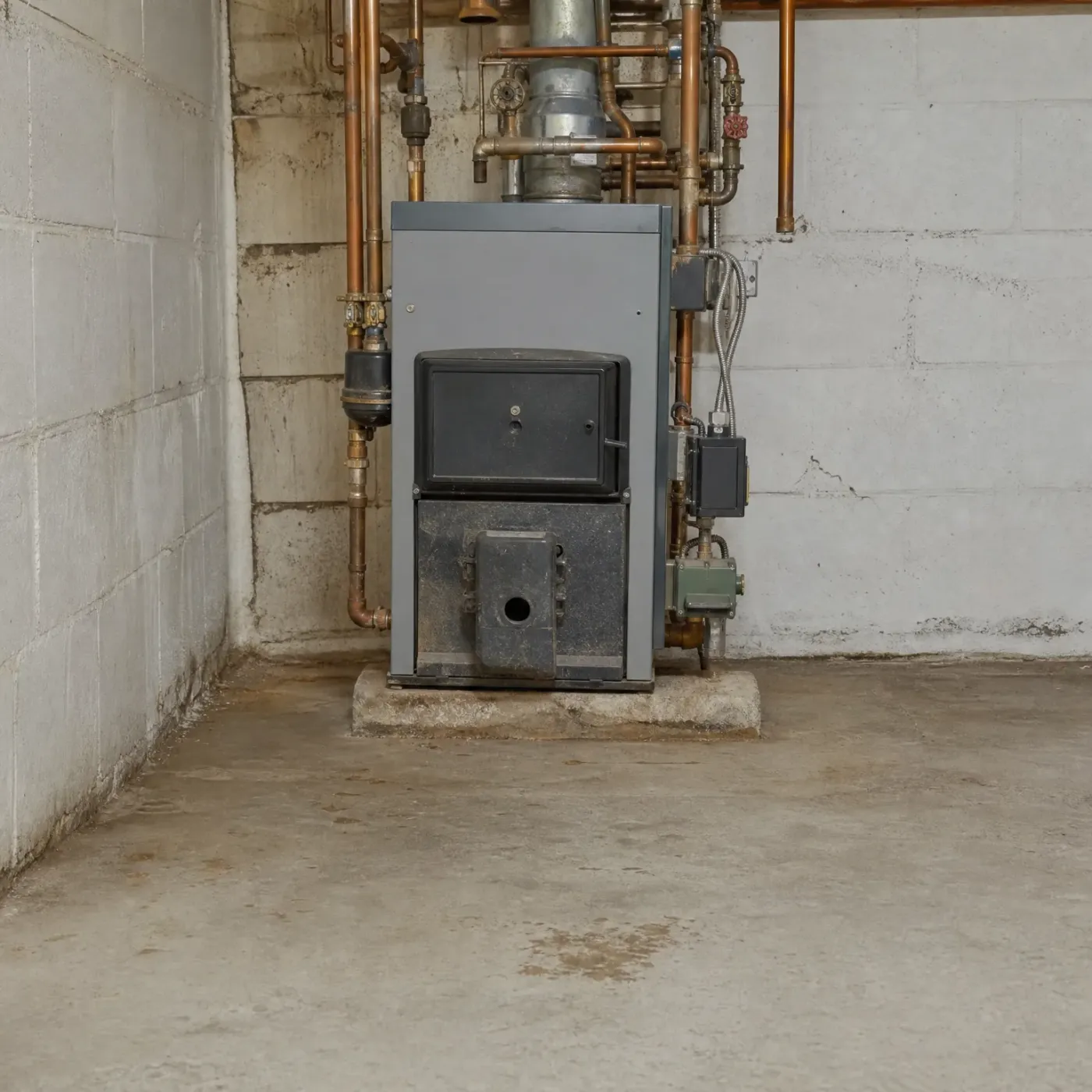
A white and black floor-standing boiler in the corner of a bare plastered room, with copper and metal pipes running up the wall behind it.

Why oil heat makes this worse

Most houses in New Hampshire run on oil, and an oil boiler's circulator pump has to push water through every zone the same way a gas boiler's does. If sludge or rust builds up in an older cast iron boiler, that circulator works harder to move water through a radiator that's partly blocked. The radiator at the far end of the loop gets less flow than the one closest to the boiler, so it runs cooler even with the system fully bled and the pressure right where it should be.

Why does my radiator make a gurgling or banging noise when the heat kicks on?

You hear it when the boiler fires, a gurgle or a bang in the pipes or right in the radiator itself, and it's loud enough that you wonder if something's about to fail. It usually shows up in the same radiators every time, often upstairs, and it's worse on the coldest nights when the boiler is running longer to keep up.

It's trapped air or a buildup of sediment, not a sign the boiler is failing

Gurgling is usually air moving through water in the pipe, the same air that keeps a radiator from heating fully. Bleeding it often quiets it down. Banging is different. That's water hammer, usually steam or hot water hitting a pocket of trapped air or cold water inside the pipe, and it's common in older cast iron systems once the pitch of a pipe has shifted slightly over the years or sediment has built up at a low point. A knocking boiler isn't about to break down, but it's worth having a contractor look at the pitch, the sediment, and the near-boiler piping, since those don't correct themselves and tend to get louder over a few winters, not quieter.

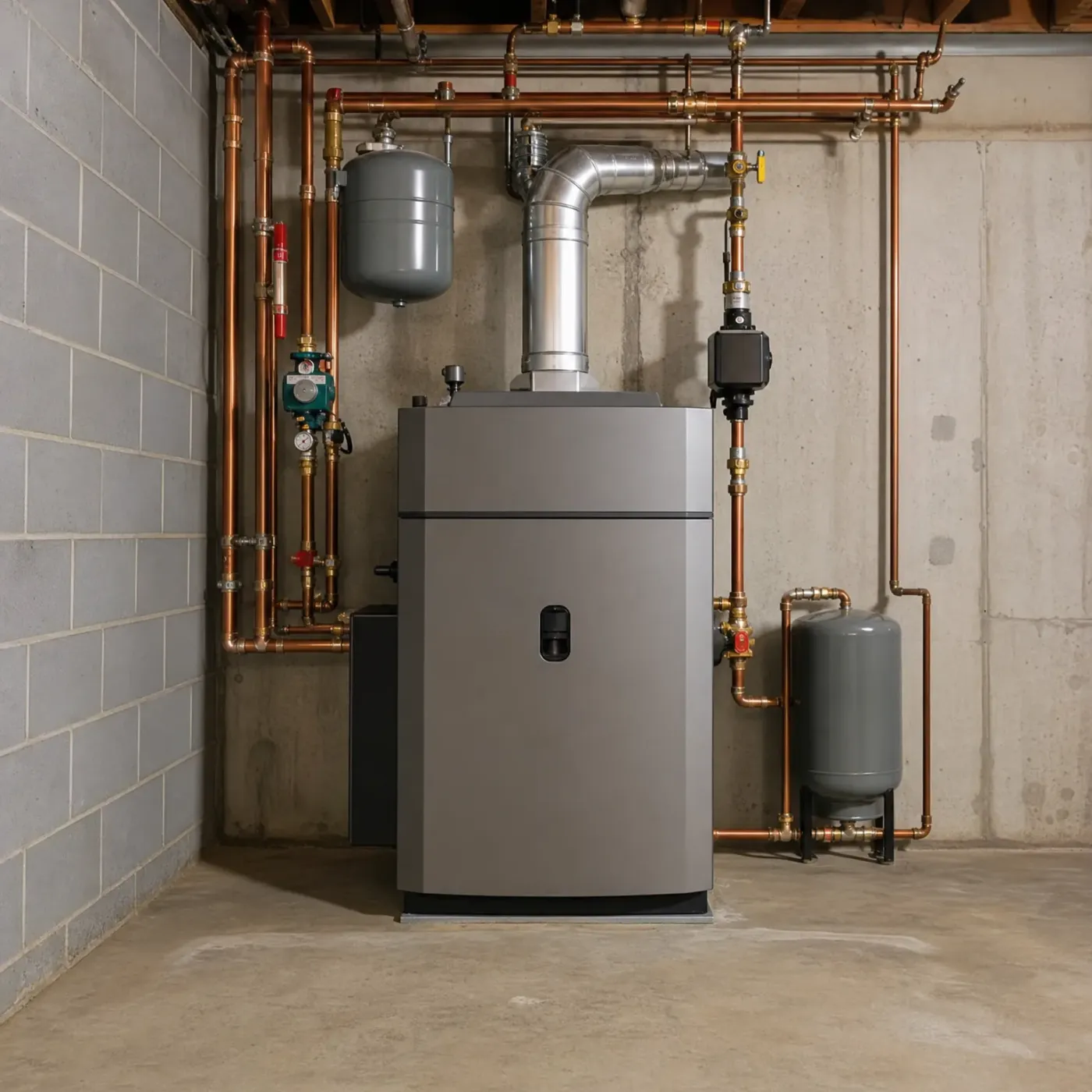
A gray boiler with a metal flue pipe stands in a basement against concrete and concrete-block walls, connected to copper piping, a circulator pump, and two gray expansion tanks.

The boiler running the way it should

Pressure steady, pipes feeding every radiator in the house, the expansion tank taking up slack as the water heats and cools. Water moves through the loops and comes back around. A boiler like this doesn't ask for attention.

A gray boiler on a concrete pad in a basement with painted concrete block walls, copper piping, a metal flue, and electrical control boxes.

The boiler that's lost the thread

Rust on an old control box, a flue that's seen a lot of winters, a circulator that's louder than it used to be. Any one of these can keep heat from reaching a radiator even with the thermostat turned up. A tech who works on these boilers all winter in New Hampshire can look at the pad, the pipes, and the box and tell you which part gave out, instead of you guessing while the room stays cold.

Bleed It Yourself or Call for Help

Bleed it yourself

  • A radiator key opens the valve and you'll hear the air hiss out, then water follows and the metal starts to warm.
  • It costs nothing but a few minutes and works when trapped air is the only problem.
  • It won't fix low boiler pressure, a stuck zone valve, or a pump that's failed, so a radiator that stays cold after bleeding needs more than a key.
  • You can do this on every radiator in the house in one afternoon and know right away whether it worked.
  • If the same radiator needs bleeding again within weeks, air is getting into the system from somewhere and bleeding alone won't stop it.

Call a boiler technician

  • A technician checks boiler pressure, the expansion tank, and every zone valve, not just the one radiator that's cold.
  • Someone who services boilers in New Hampshire all winter has seen which parts usually fail first in systems like yours.
  • A licensed local contractor can trace a gurgle or a cold zone back to its actual cause instead of guessing room by room.
  • You explain the problem once, to one contractor, instead of calling around and repeating it to several companies.
  • With oil heat and some of the highest power costs in the country, a system that's losing pressure or cycling wrong is worth having checked properly rather than patched room by room.
A woman with shoulder-length dark brown hair in a cream knit cardigan sits in an upholstered armchair beside a window, looking off to the side, with a white bookshelf and potted plant blurred behind her.
A woman with dark hair in a bun sits wrapped in a chunky knit blanket on a couch with a child resting his head on her shoulder, eyes closed, beside a lit lamp and bookshelf indoors.
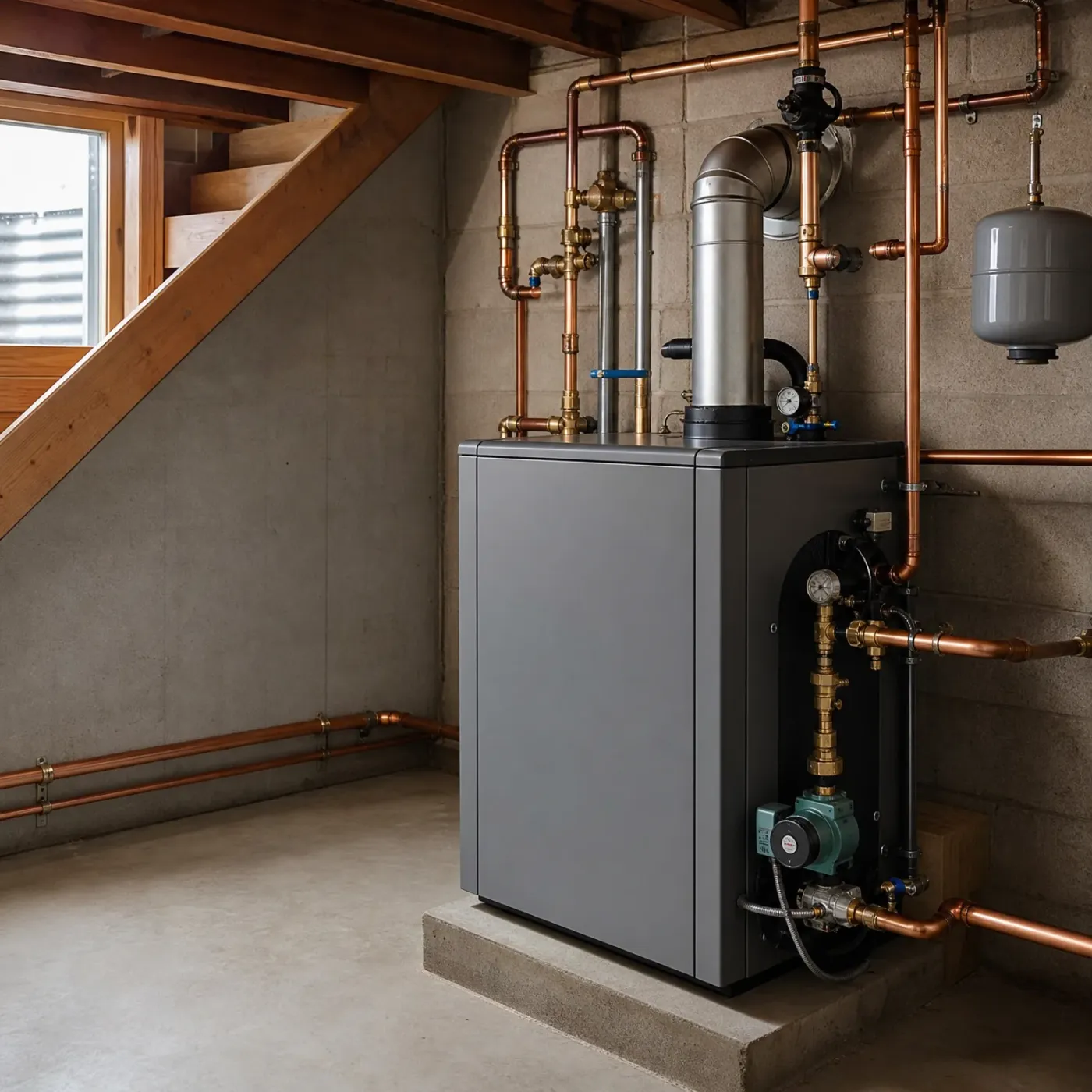
A gray boiler on a concrete pad in a basement, connected to copper and black pipes with valves, gauges, a circulator pump, a flue, and a wall-mounted expansion tank, beside a wooden staircase.

Skip the search

Your request stays with one local pro.

One form replaces the calls you'd make to find a boiler pro.

Skip calling around

You only hire the pro if you want to.

A closed silver laptop and a white cup of coffee on a saucer sit on a wooden table in front of a wooden chair, a plain beige wall, a potted leafy plant and a window with greenery outside.

A cold radiator in January isn't a small thing here

A room that won't heat means the boiler runs longer trying to make up for it, and in a state where you're paying some of the highest electric rates in the country, that shows up on the bill whether the boiler runs on oil or not. If the problem is a stuck zone valve or a pump that's failed, bleeding that radiator does nothing, and the room stays cold until someone traces the actual fault. Left alone, a system that's losing pressure or cycling air back in tends to get worse, not better, as the season goes on.

You could spend an evening calling around, telling each company the same thing about the gurgling pipe or the radiator that's warm on the bottom and cold on top, then sit with a few quotes trying to guess who actually knows oil boilers in this state. Or you put in one request and talk to one licensed contractor local to New Hampshire, someone who works on these systems every winter and has a good idea what's wrong before they even open the panel.

A speckled beige ceramic vase holding thin dried branches sits on a round wooden table near a window with sheer curtains, with a dark upholstered chair and draped blanket blurred in the background.
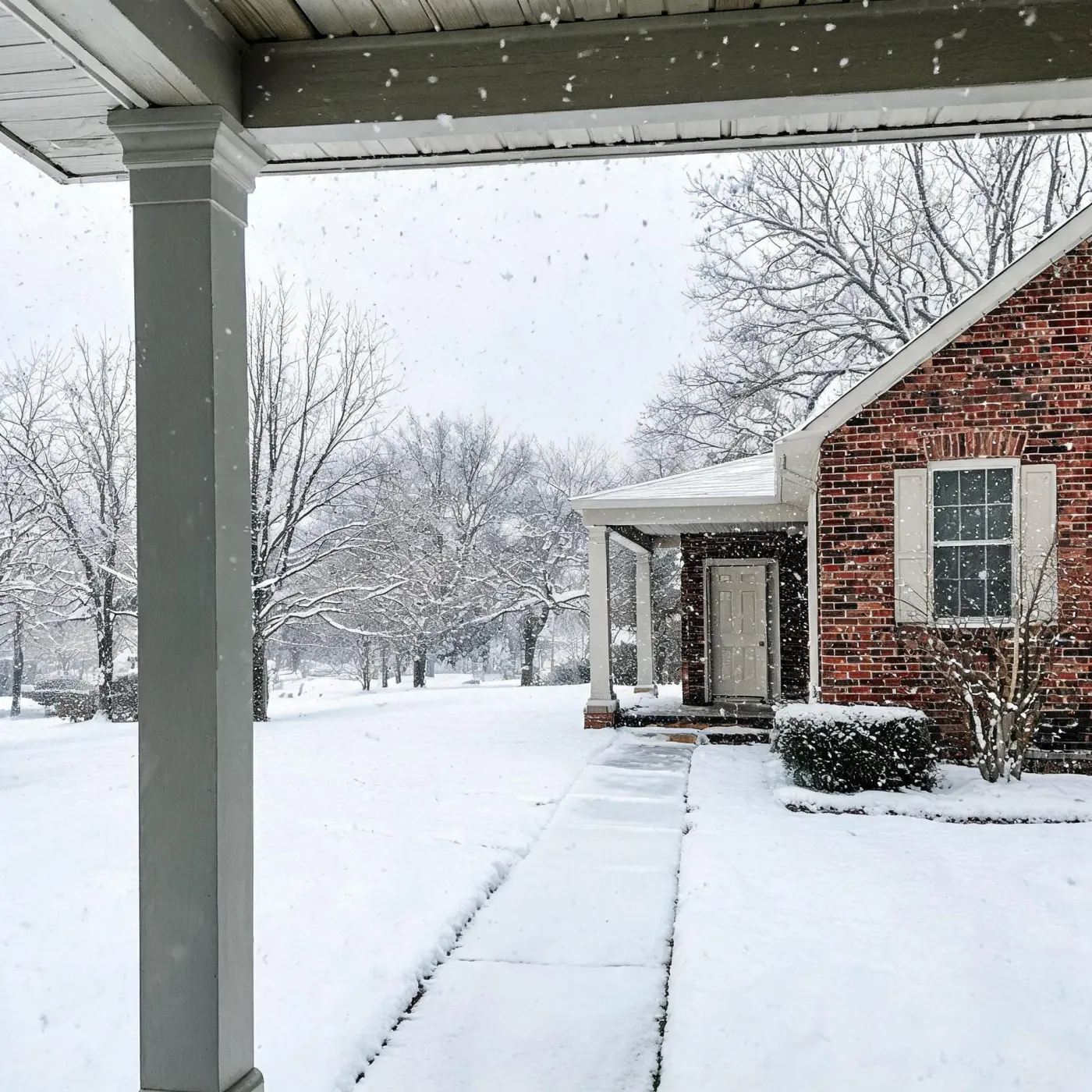
View from under a covered porch with a white column toward a brick house with a white front door and shuttered window, with snow falling and covering the lawn, walkway, shrubs, and bare trees.

New Hampshire winter nights average 15°F across the state, according to NOAA climate data. That kind of cold means the boiler is cycling on through the night, not just in the early morning, to keep water moving through every loop in the house. If a radiator has trapped air or the system has lost pressure, it's working against that cold for hours without actually heating the room. You'll notice it as a chill that doesn't go away by morning, not just a slow start. On nights this cold, a boiler that's running fine still runs close to constantly. One that isn't shows it fast, in a room that never catches up.

NOAA nClimDiv 1991-2020 county normals weighted by homes

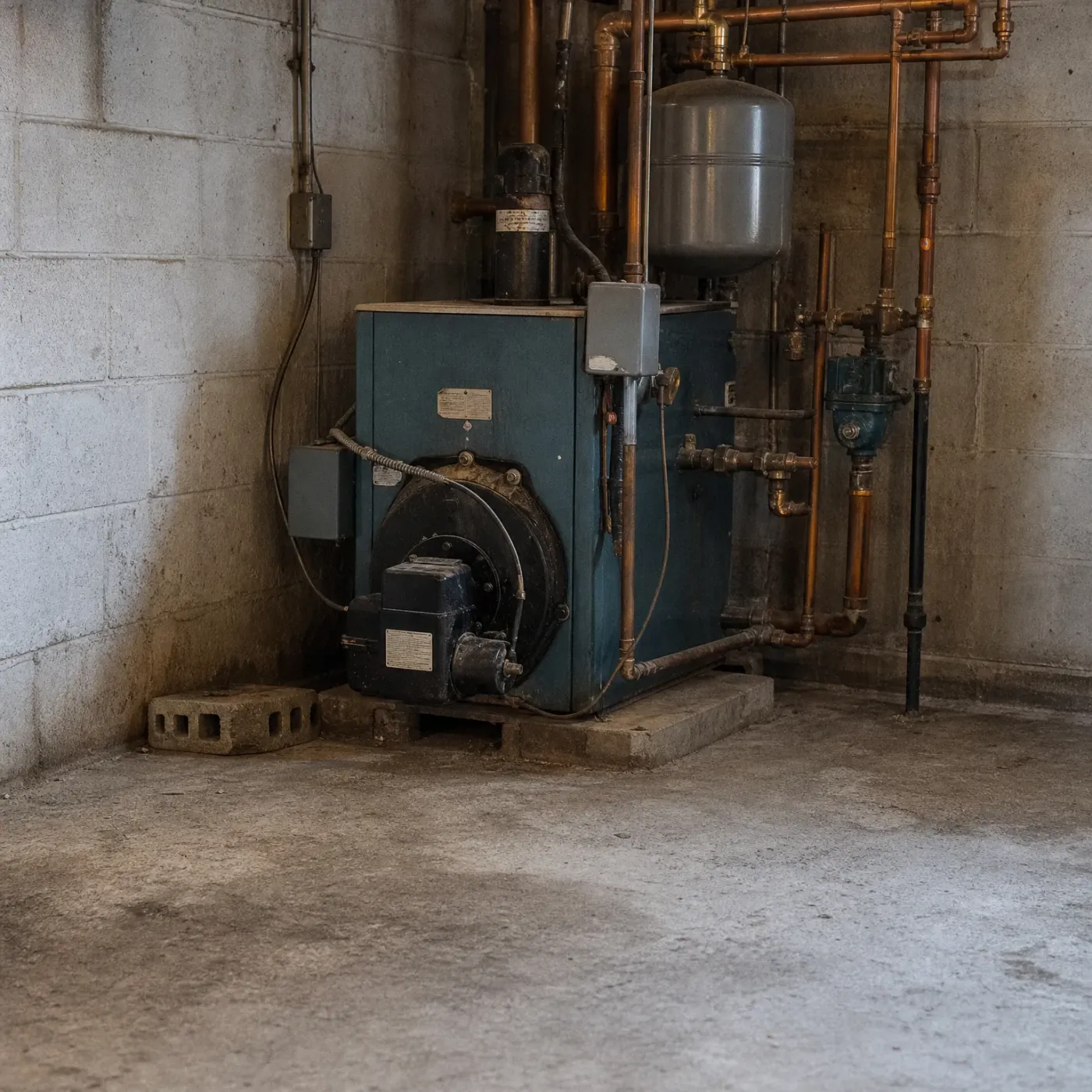
A blue oil-fired boiler with a burner unit sits on a concrete pad in a basement corner, with copper piping, valves and a gray expansion tank overhead against concrete block walls.
Before you get your boiler repair
A gray boiler unit on a concrete pad in a basement corner, connected to copper piping, valves and a metal flue against painted concrete block walls.
After you get your boiler repair

You keep bleeding the radiator and calling around to find someone free this week, and the cold spot comes back a month later because the real cause was never found.

A local contractor who works on boilers all winter checks the pressure, the valve, and the loop itself, and tells you straight what's actually wrong before anything gets taken apart.

Winter nights average 15°F statewide

At 15°F overnight, your boiler is firing on and off for hours, not just a stretch in the early morning. A radiator that won't heat means one room is fighting that cold all night with no help, and the boiler just keeps running to make up for it.

NOAA nClimDiv 1991-2020 county normals weighted by homes

What a cold radiator comes down to

  • A cold radiator almost always comes down to trapped air, low boiler pressure, or a stuck valve, not a failing boiler.
  • Bleeding the radiator fixes trapped air but leaves pressure problems and valve failures exactly as they were.
  • A contractor who services boilers through a New Hampshire winter has already seen most of what causes this and checks pressure, valves, and the pump in one visit.
  • You get matched with one local, licensed contractor, so you're not fielding calls from several companies while a room sits cold.
  • Once the actual cause is found and fixed, that radiator heats on its own every time the boiler fires, not just after you bleed it again.

A cold radiator has a cause, and it's one of a short list: air stuck inside it, a boiler running low on pressure, or a valve that's stopped doing its job. None of those mean the boiler is on its way out. Bleeding the radiator handles the first one. It does nothing for the other two, which is why the same room goes cold again a few weeks later even though you did everything right with the key and the hiss of escaping air.

Finding which of the three it actually is takes someone who's checked a gauge, tested a valve, and listened to a pump often enough to know what each failure looks like. A contractor who works on boilers all winter in New Hampshire has already seen this exact complaint many times this season alone. That's not a guess about your system, it's what the job is for anyone local doing this work through January and February.

You get matched with one contractor, licensed and local, not a list of five companies calling you back at once asking you to describe the noise again. One visit, one person who already knows what usually causes a cold radiator in a house like yours, checking pressure, the valve, and the pump before deciding what to fix.

Once that's done, the radiator heats when the boiler fires. Every time, not just right after you bled it.

Corner of a room with a white window at left, a white fireplace mantel with dark stone surround at right holding a weathered clay vase of leafy branches, and a cream upholstered sofa with a knit throw and tan pillow in the foreground.
A cushioned window seat with a brown lumbar pillow beside a white-framed window overlooking green trees, next to built-in cream cabinetry with shelves holding ceramic vessels and a wooden bowl.
An entryway with a dark wood console table holding a stone vase of olive branches and a shallow wooden bowl, a woven basket on the lower shelf, a framed landscape print on the wall, and a glass-paned wood door at left.
A wooden vanity cabinet with dark knobs and a beige stone countertop holding a round terracotta vase with leafy branches, beside a wood-framed mirror and a white sink.
Sunlit room corner with wide-plank oak flooring, white baseboard molding and beige walls, a window at left showing green trees, and a dark cabinet at right topped by a stone vase holding a leafy branch.

Explain it one time

Your request goes to one pro, not a list of companies.

Fill out one form

Asking costs nothing, and the choice to hire stays yours.