Tell us about the job
Takes about a minute. No obligation.
A boiler in this house cycles its burner, heat exchanger, and ignition system through nearly the full calendar year. Homes in Sullivan County, NH run heat about nine months a year, from September through May. The parts that take the load in a boiler are not structural; they are thermal and mechanical, and they degrade with each firing cycle. A contractor called out for a repair in Sullivan County will check the ignition assembly, the heat exchanger for cracks or scaling, and the burner ports before moving to anything else, because those are the components that have been working the hardest and are most likely to show it.
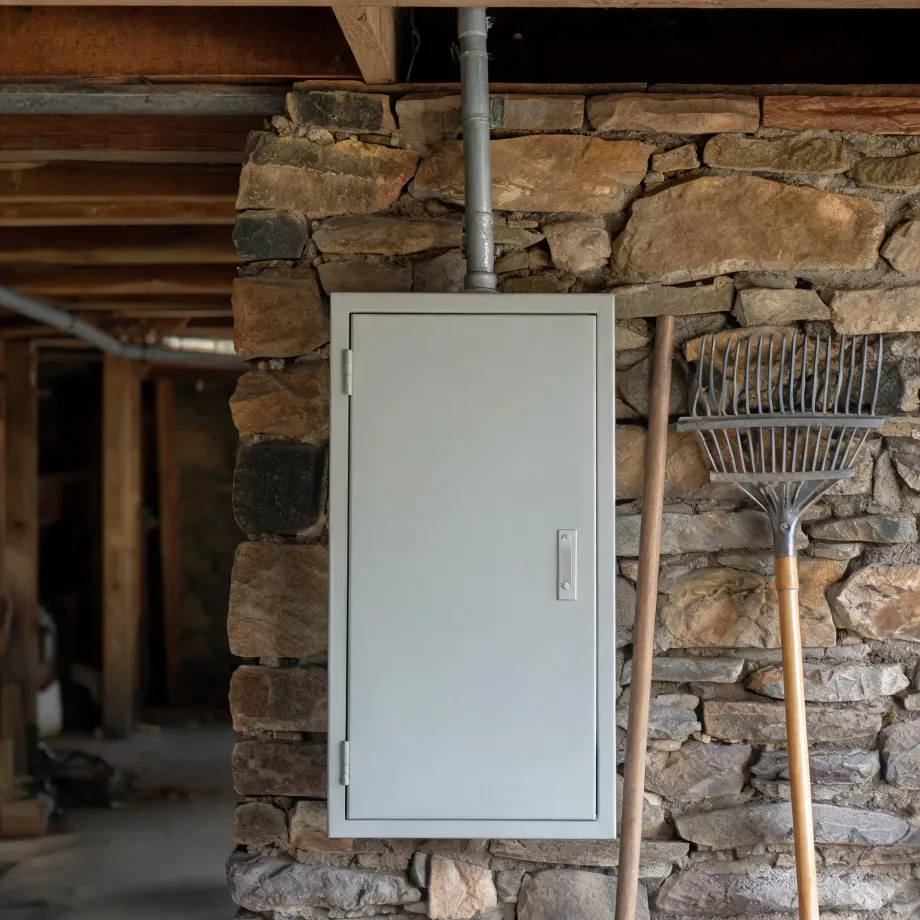
Piping that looks intact from a utility room doorway can tell a contractor almost nothing about what the heat exchanger or the circulator looks like inside. Half the homes in Sullivan County, New Hampshire were built in 1974 or earlier (2020-2024 ACS 5-year). That much history puts real wear on seals, valves, and heat transfer surfaces, and the condition a contractor finds once the boiler is open is what drives the repair scope, the parts order, and whether a given component is still in production.
The Parts of a Boiler a Contractor Checks First
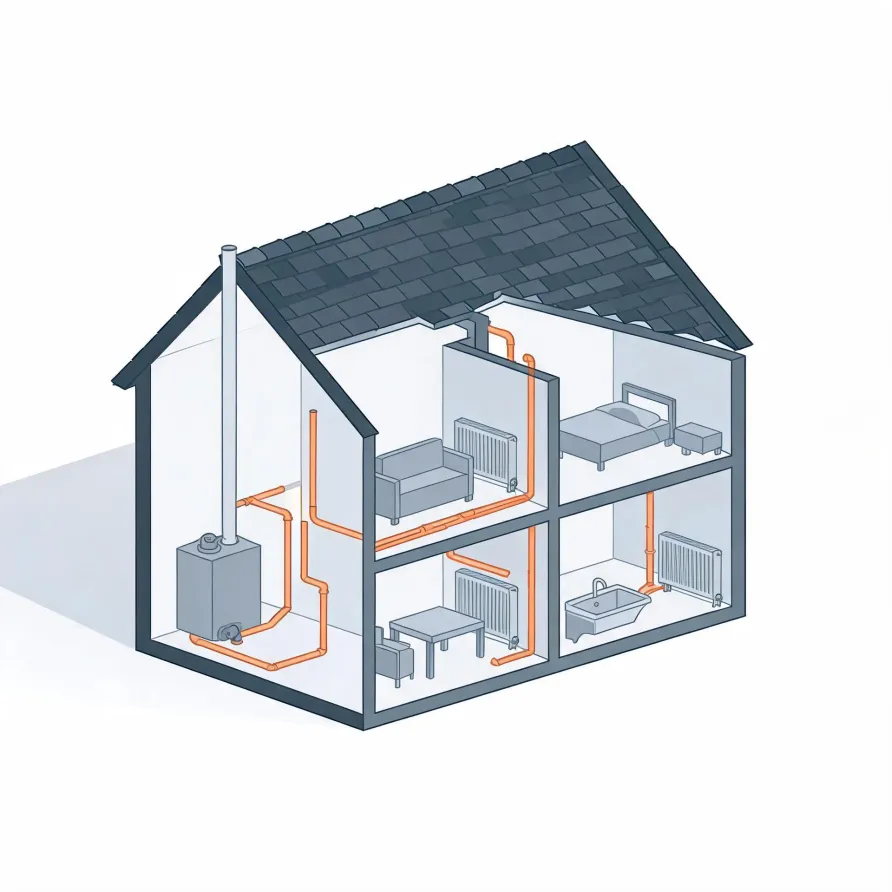
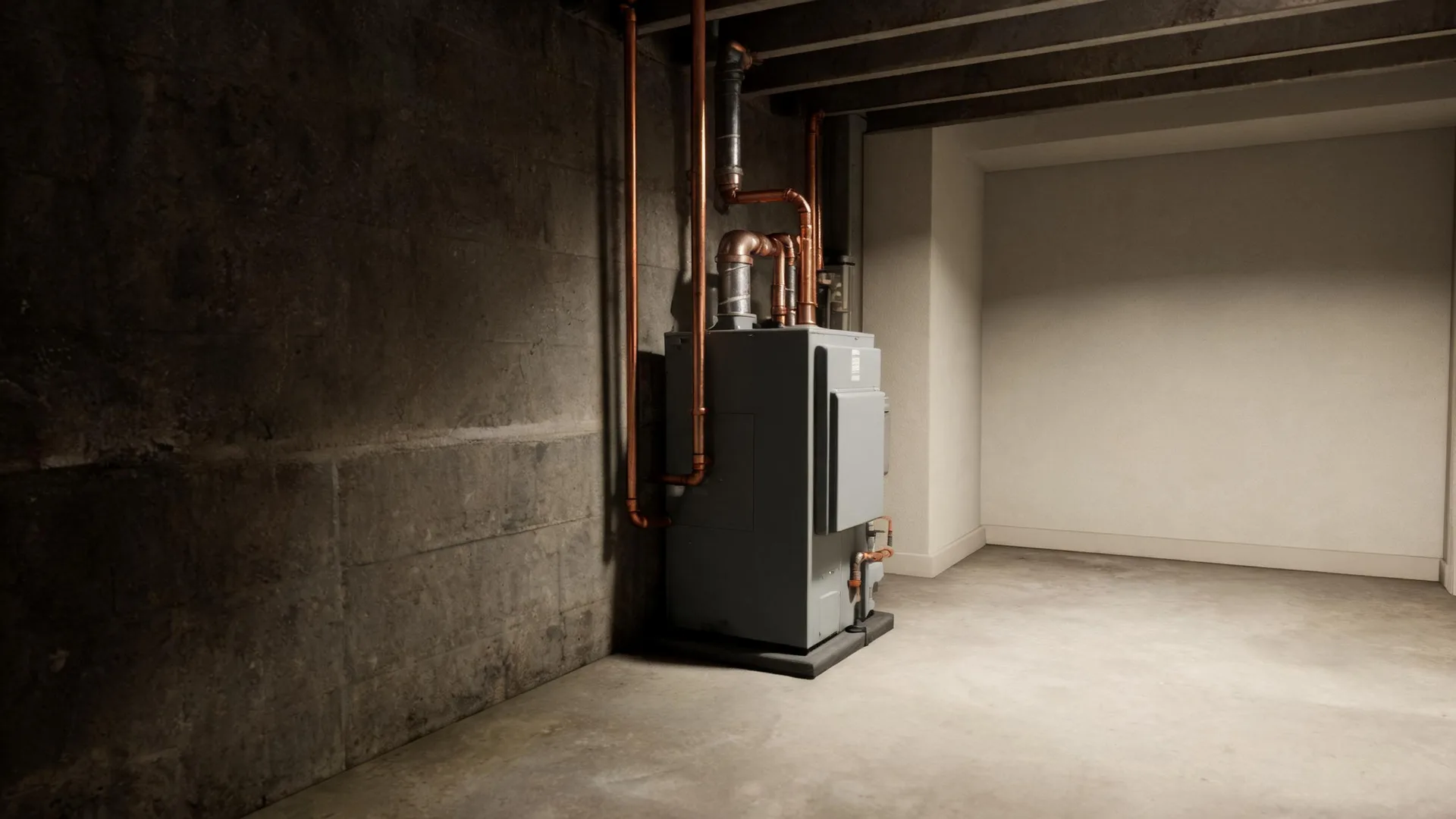
The boiler itself sits in the basement or a utility room and is the heart of the system. It heats water and pushes it through the building. When heat stops reaching rooms, or rooms heat unevenly, a contractor starts here, checking the heat exchanger, burner, and controls for the fault.
Radiators or baseboard units sit in each room and release heat from the circulating water. The circulator pump, pressure relief valve, and expansion tank all live close to the boiler. Any one of them can be the reason a system loses pressure, makes noise, or fails to move hot water where it needs to go.
The drawing shows a general layout of these components, and a licensed contractor will determine which parts apply and what condition they are in for your specific home.
Find a contractor in Sullivan CountySullivan County, NH, by the numbers
111 severe weather events were recorded in Sullivan County, New Hampshire between 2015 and 2024.
NOAA National Centers for Environmental Information, Storm Events Database, bulk CSV export, events 2015-01-01 through 2024-12-31.Half the homes in Sullivan County, New Hampshire were built in 1974 or earlier (2020-2024 ACS 5-year).
U.S. Census Bureau, 2020-2024 American Community Survey 5-Year EstimatesSullivan County, New Hampshire holds 21,958 housing units (2020-2024 ACS 5-year).
U.S. Census Bureau, 2020-2024 American Community Survey 5-Year EstimatesOwners occupy 75.4% of the occupied homes in Sullivan County, New Hampshire (2020-2024 ACS 5-year).
U.S. Census Bureau, 2020-2024 American Community Survey 5-Year EstimatesBoiler & HVAC Repair Rules on Record for Sullivan County, New Hampshire2 sourced rules & standards
Licensing Rules for HVAC Repair in Sullivan County, New Hampshire
New Hampshire's mechanical licensing board issues nine credentials — hearth system, four fuel gas endorsements, domestic appliance technician, and master, journeyman and apprentice plumber — and a licensee may not work outside the specialty their licence names. None of the nine is an HVAC licence.
New Hampshire does not license HVAC as a trade, and says so where it matters: the plumbing licence expressly does not reach a person installing heating, cooling, air conditioning or domestic water heating systems, whether solar, oil, gas or electric. The gas piping on a gas-fired system is a separate matter and needs a fuel gas fitter licence.
Severe Weather Events in Sullivan County
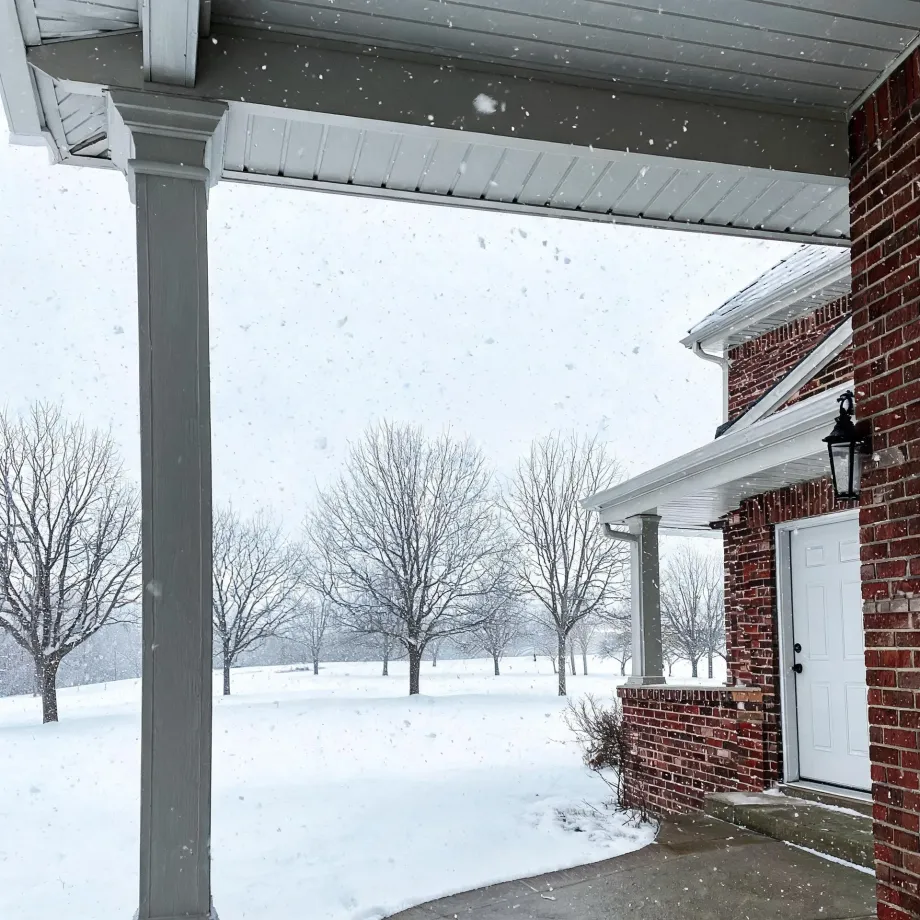
Boilers take on heavier loads when outdoor conditions are punishing, and storm events accelerate wear on equipment that is already working hard. How often that happens in Sullivan County shapes what local boilers face and what repair work looks like here.
111 severe weather events, 2015–2024. Source: NOAA National Centers for Environmental Information, Storm Events Database.